Mossman Gorge
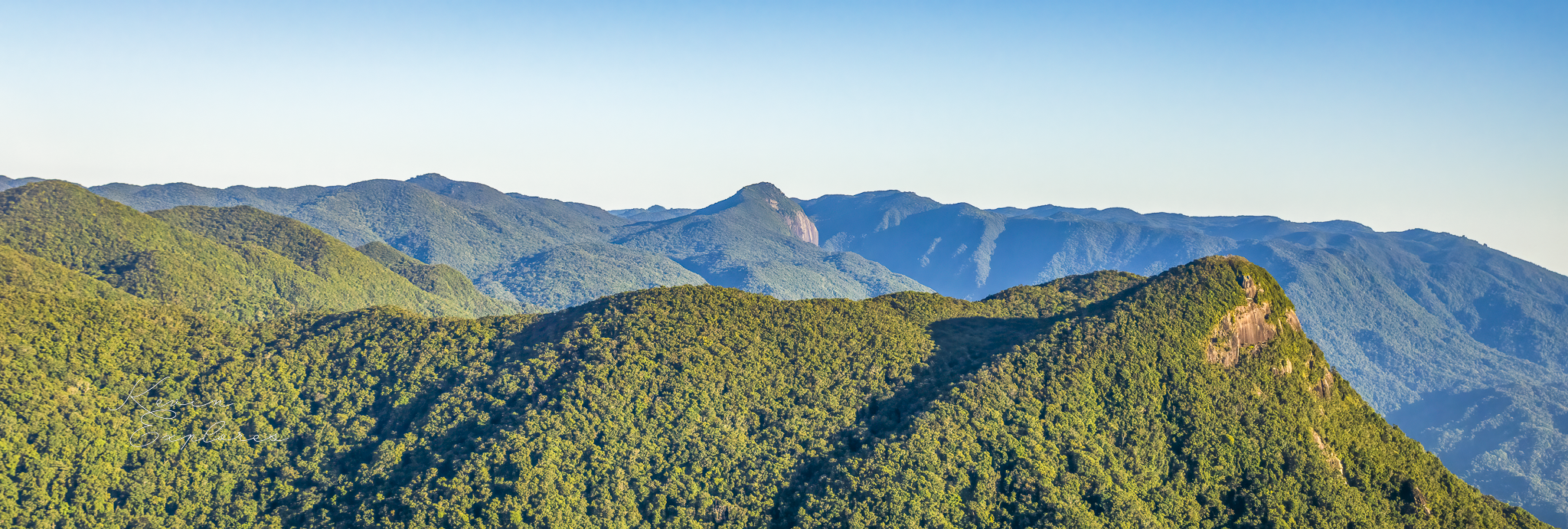
Two kinds of time meet here, and you can see both of them without leaving the riverbank.
The rock underfoot is young by the gorge's own standards — the Whypalla Supersuite granite, intruded as molten rock roughly 280 million years ago, in the Early Permian. But it forced its way into something far older: the Hodgkinson Formation, marine sediment laid down more than 360 million years ago and folded, long before the granite arrived, into a mountain belt of its own. Stand at the gorge and you're looking at two separate mountain-building stories stacked on top of each other, a hundred million years apart.
It's this granite mass — huge, elongate, rising close to the coast — that forms the actual edge of the Great Escarpment here. The rainforest is really just the skin growing over the bone. It's the height and steepness of the rock itself that forces moist air upward and wrings the rain out of it, which is the entire reason this much rainforest exists in the first place.
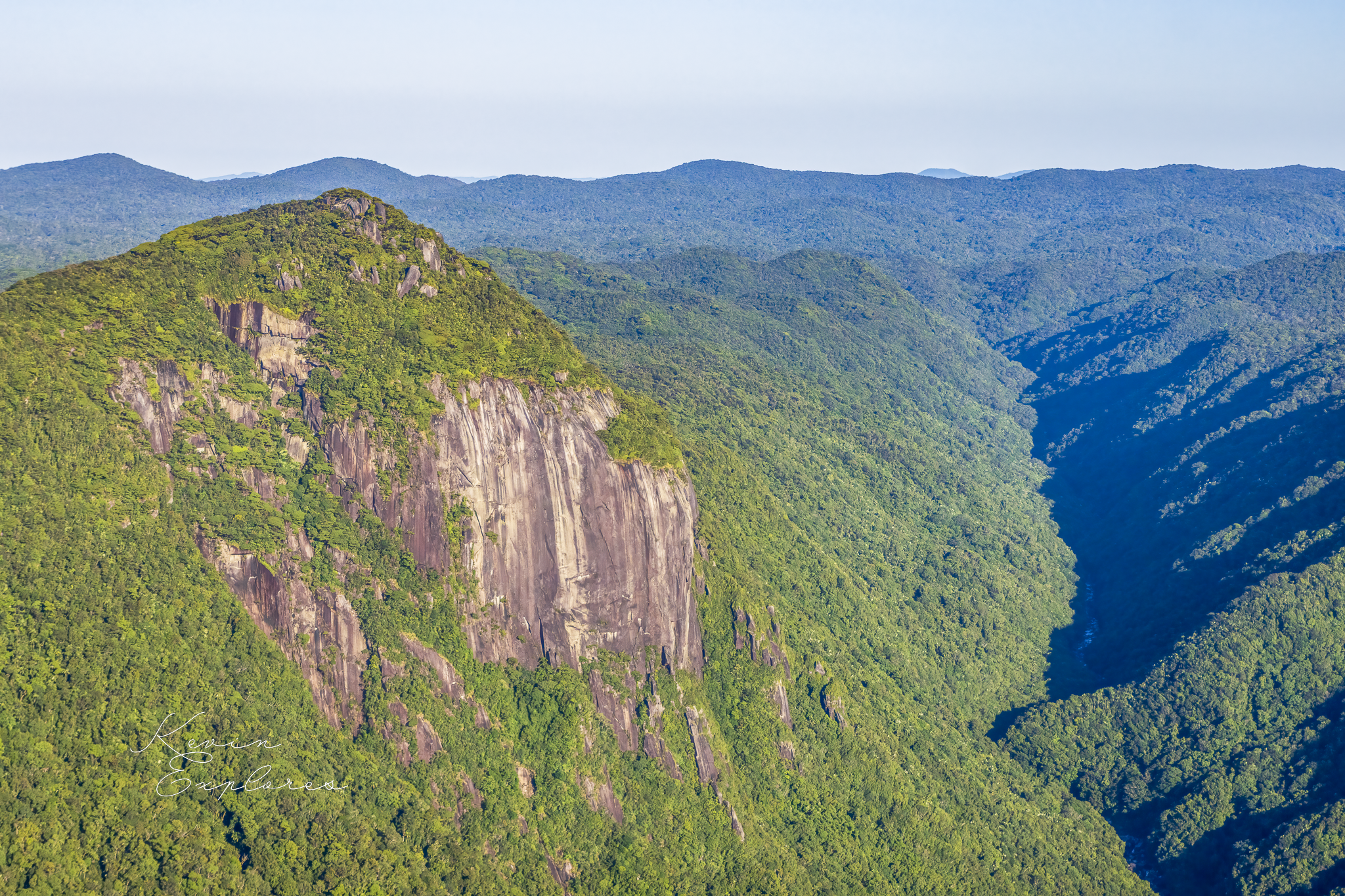
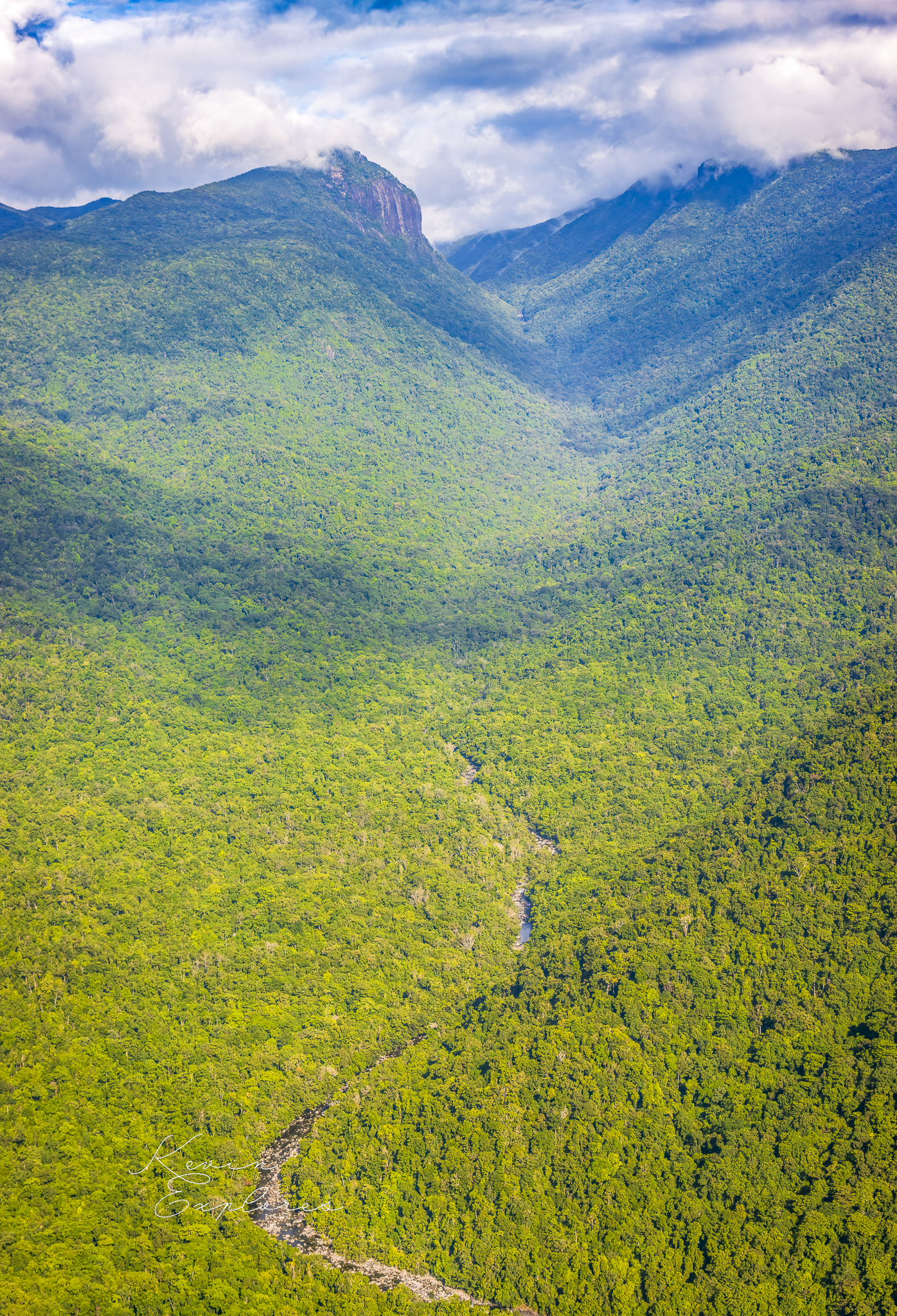
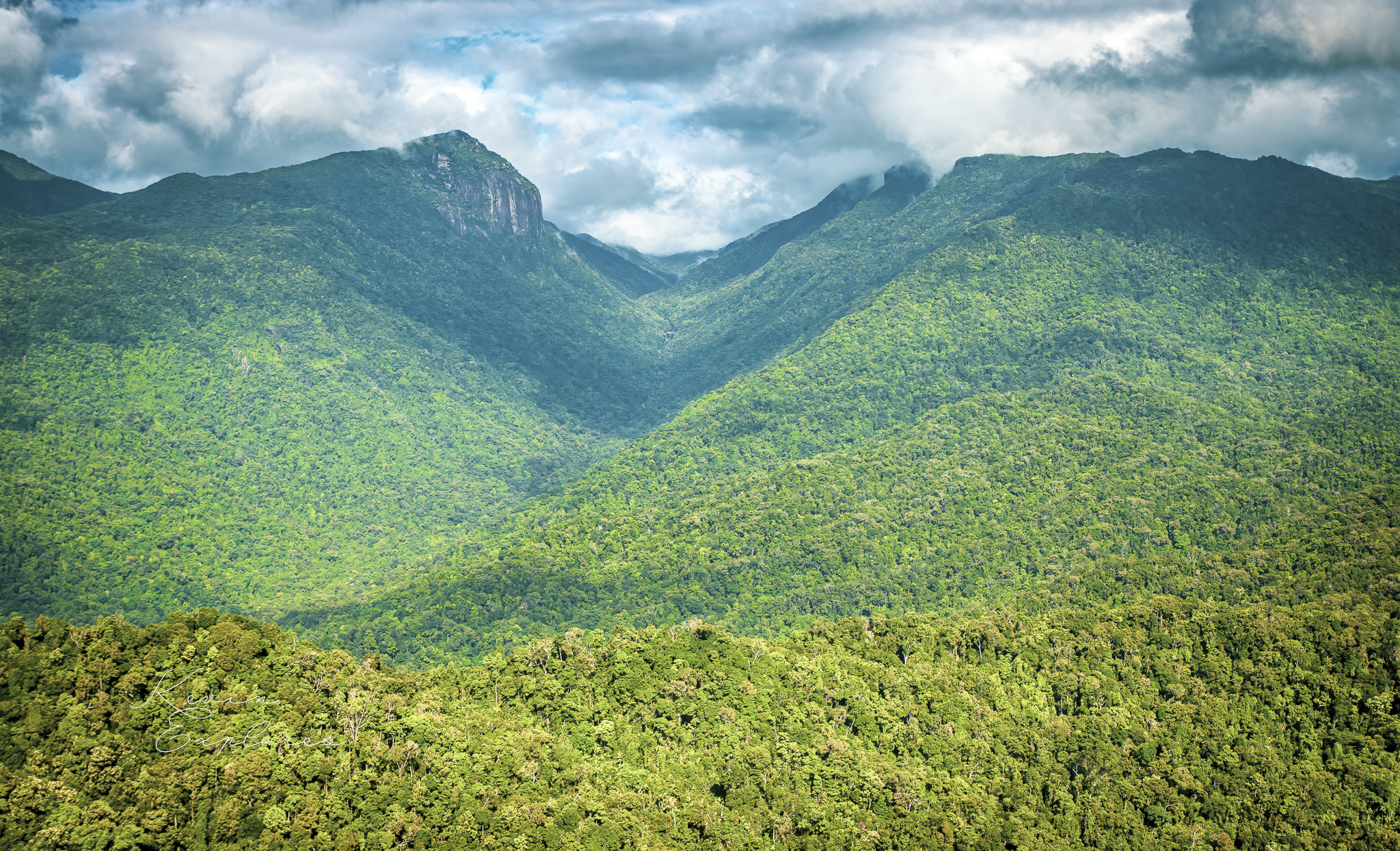
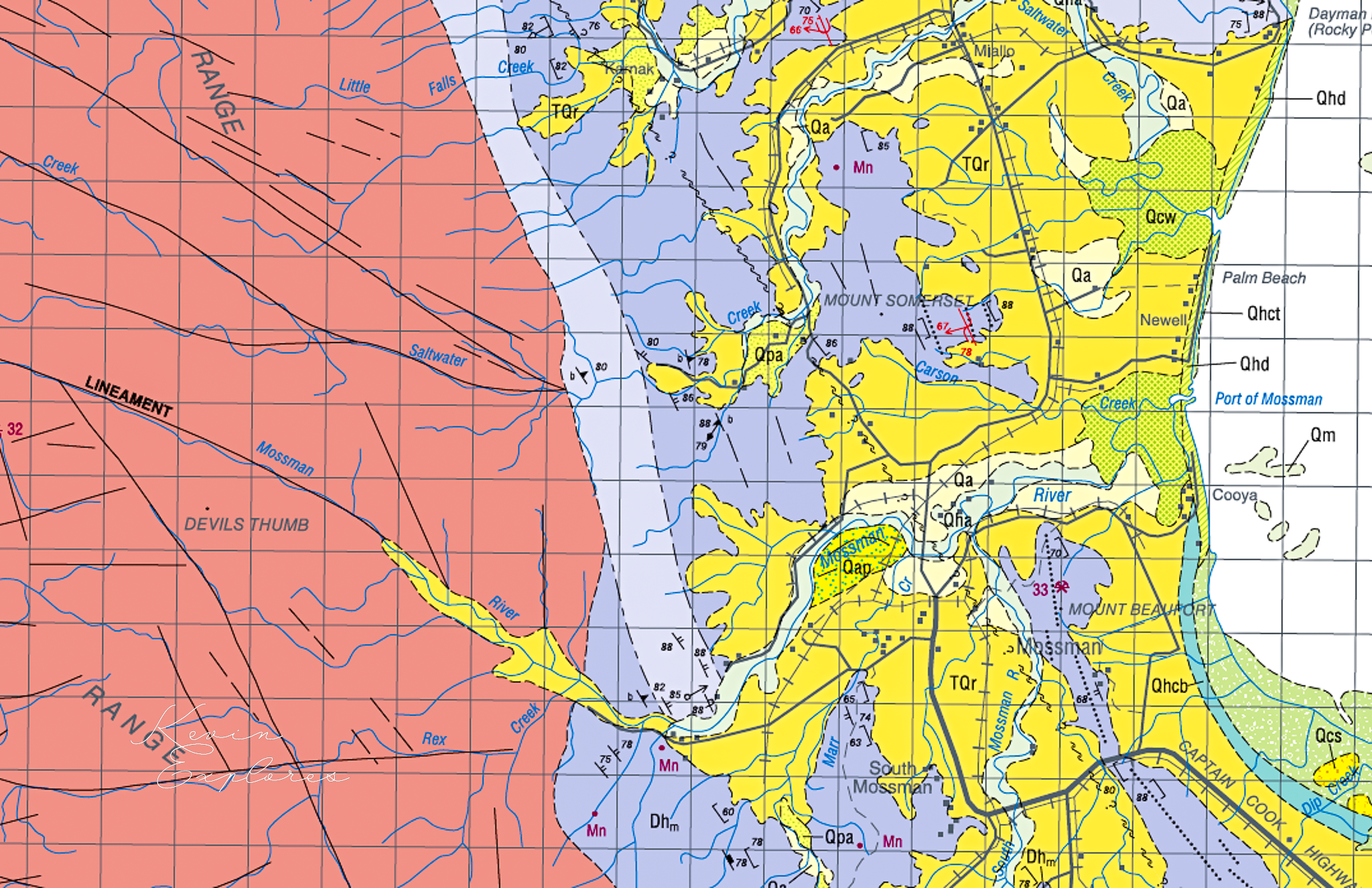
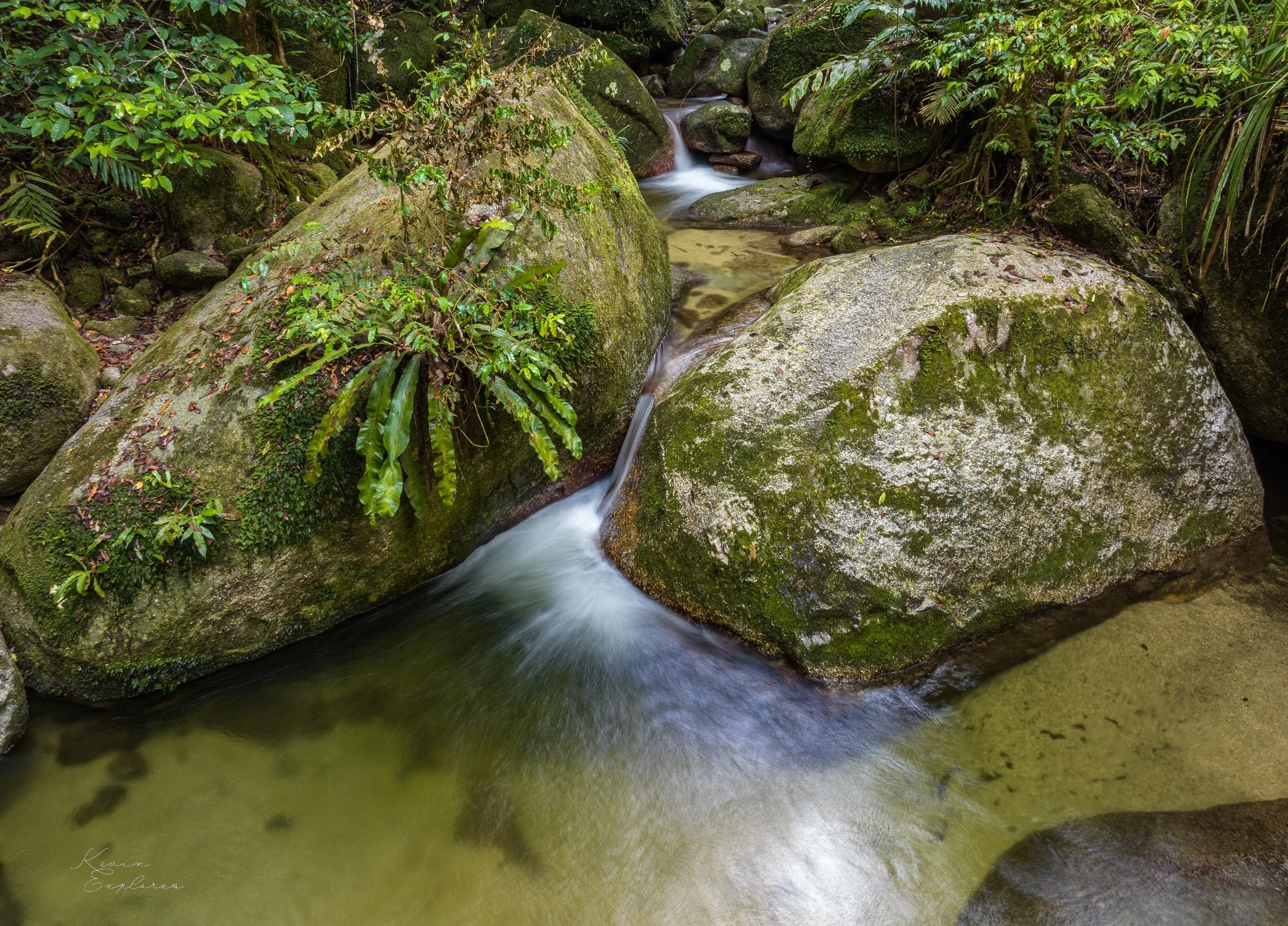
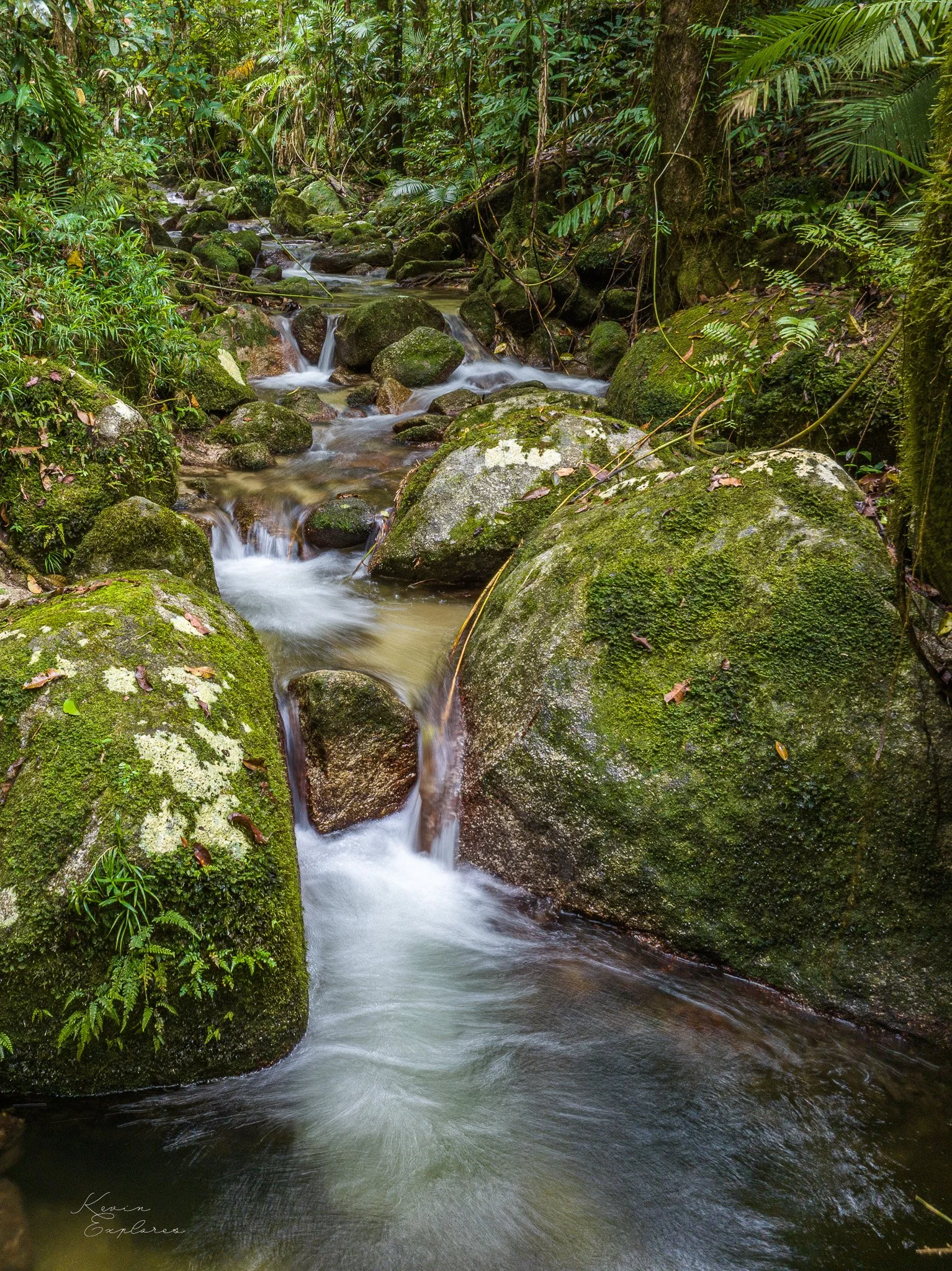
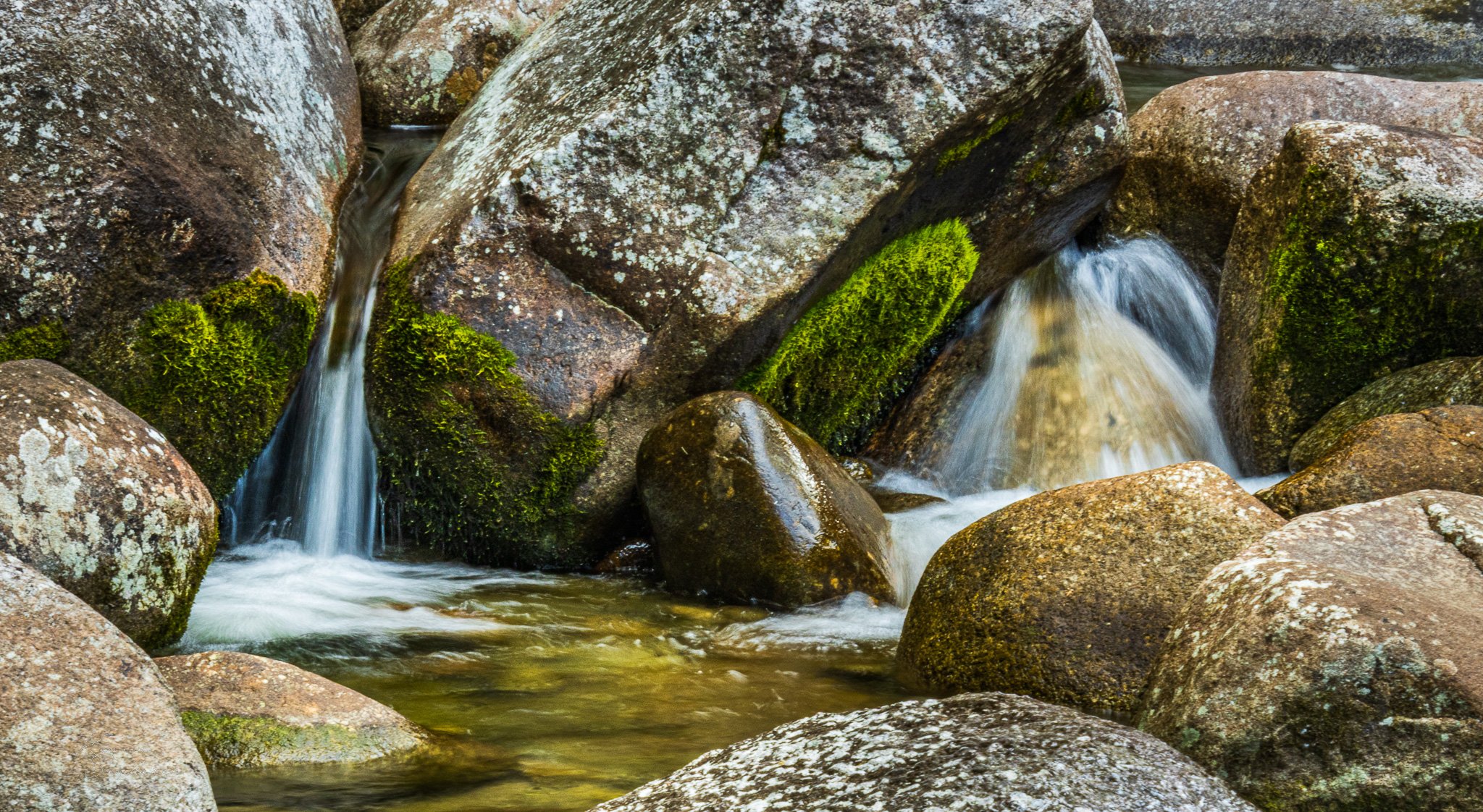
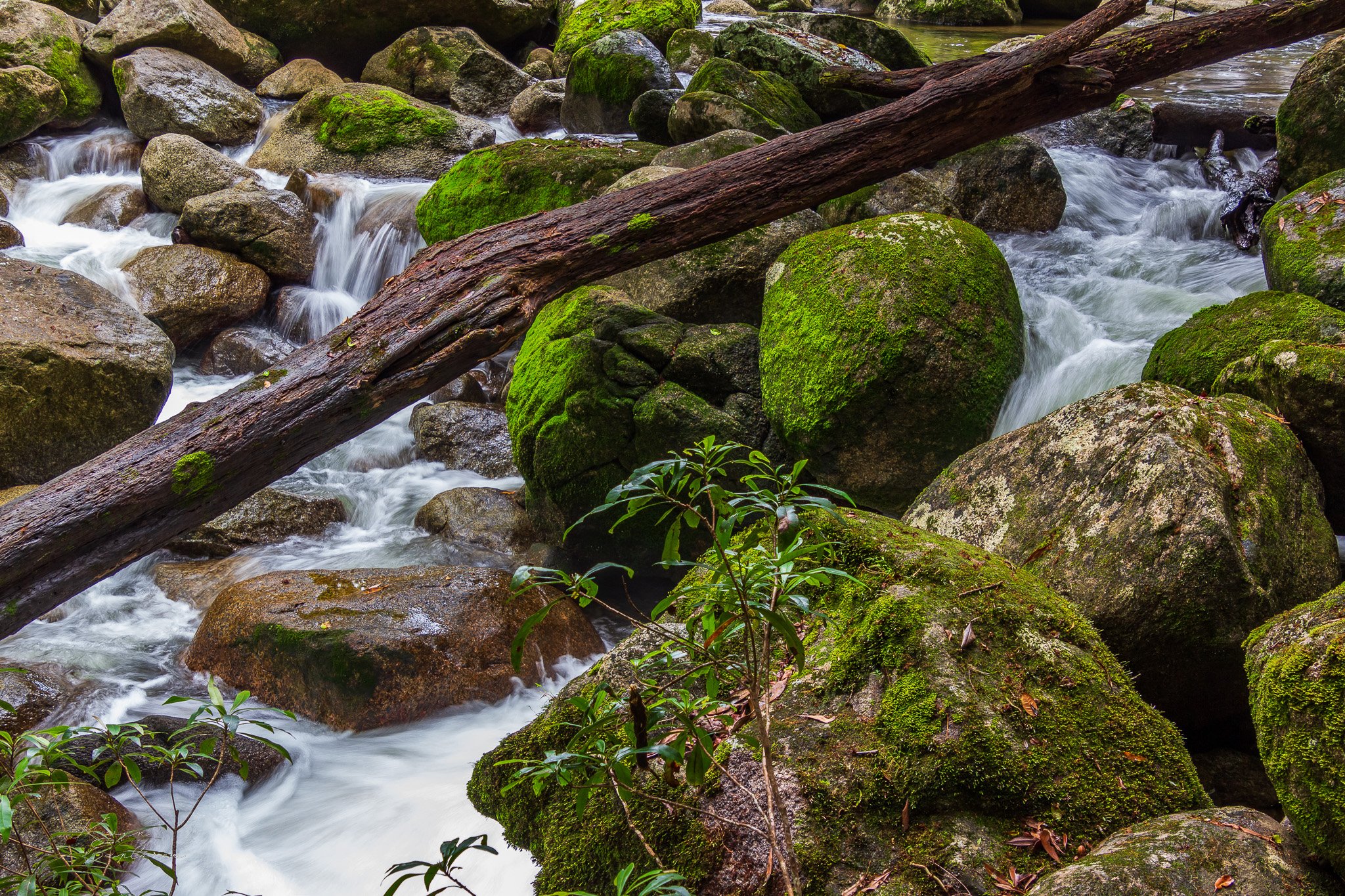
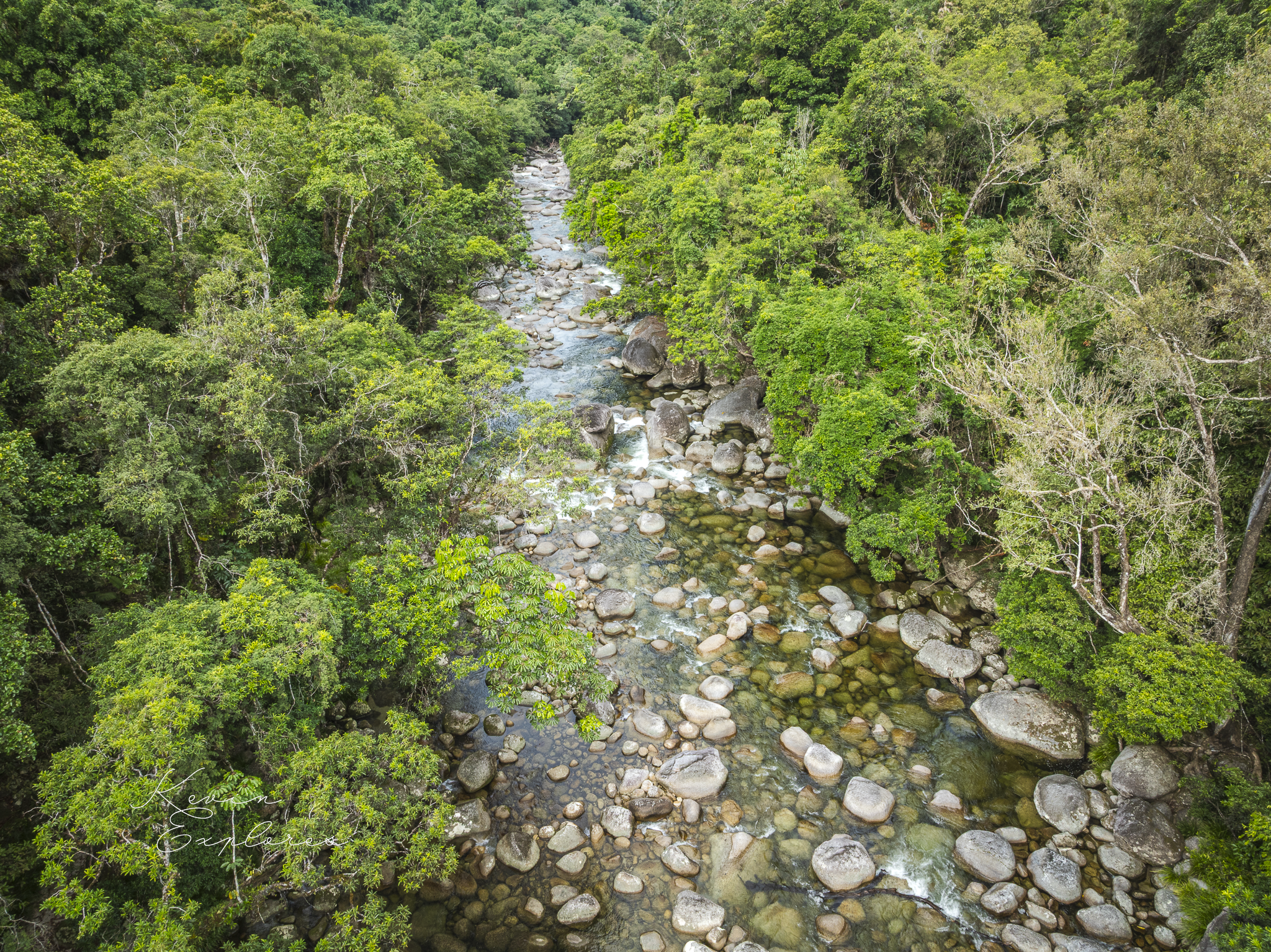
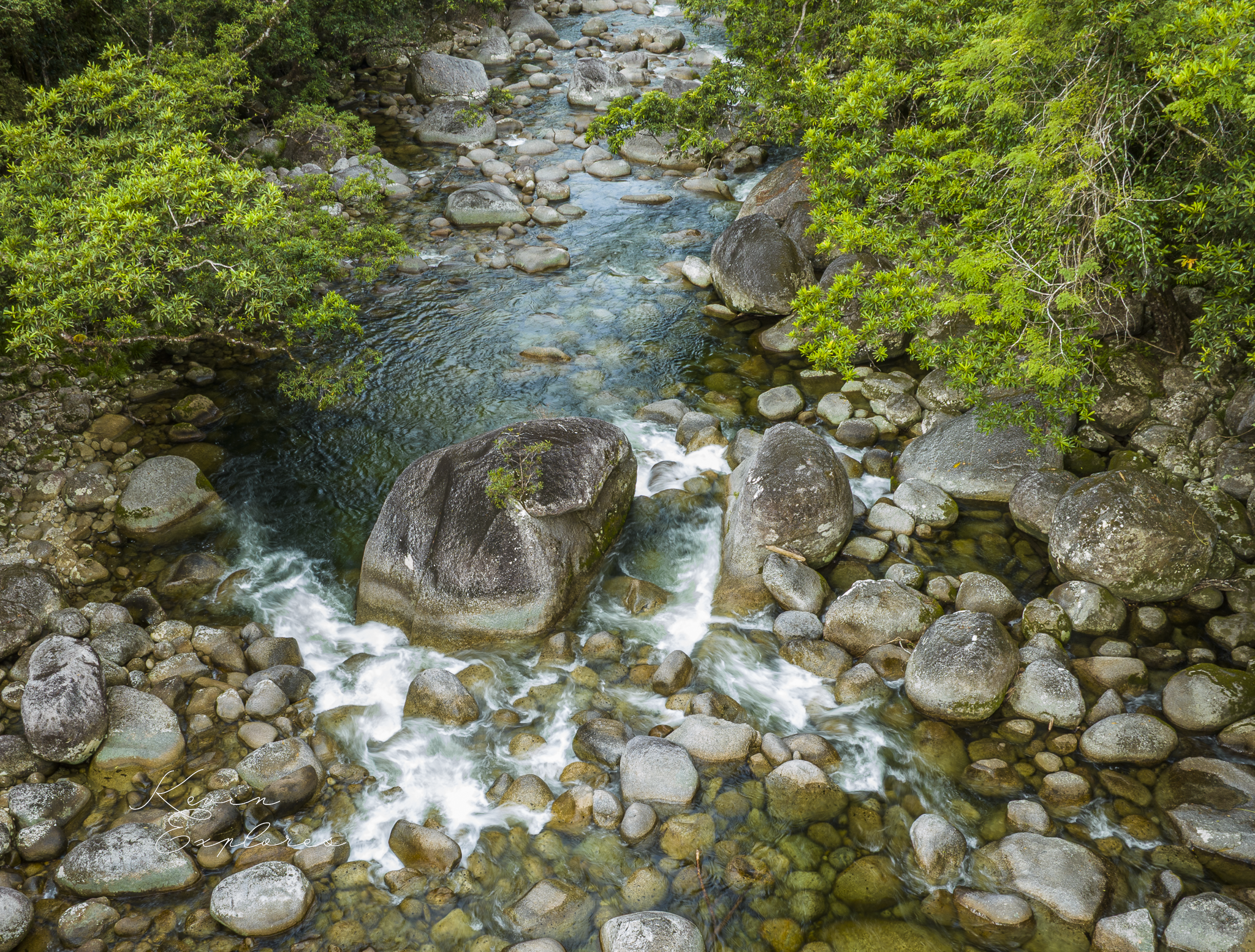
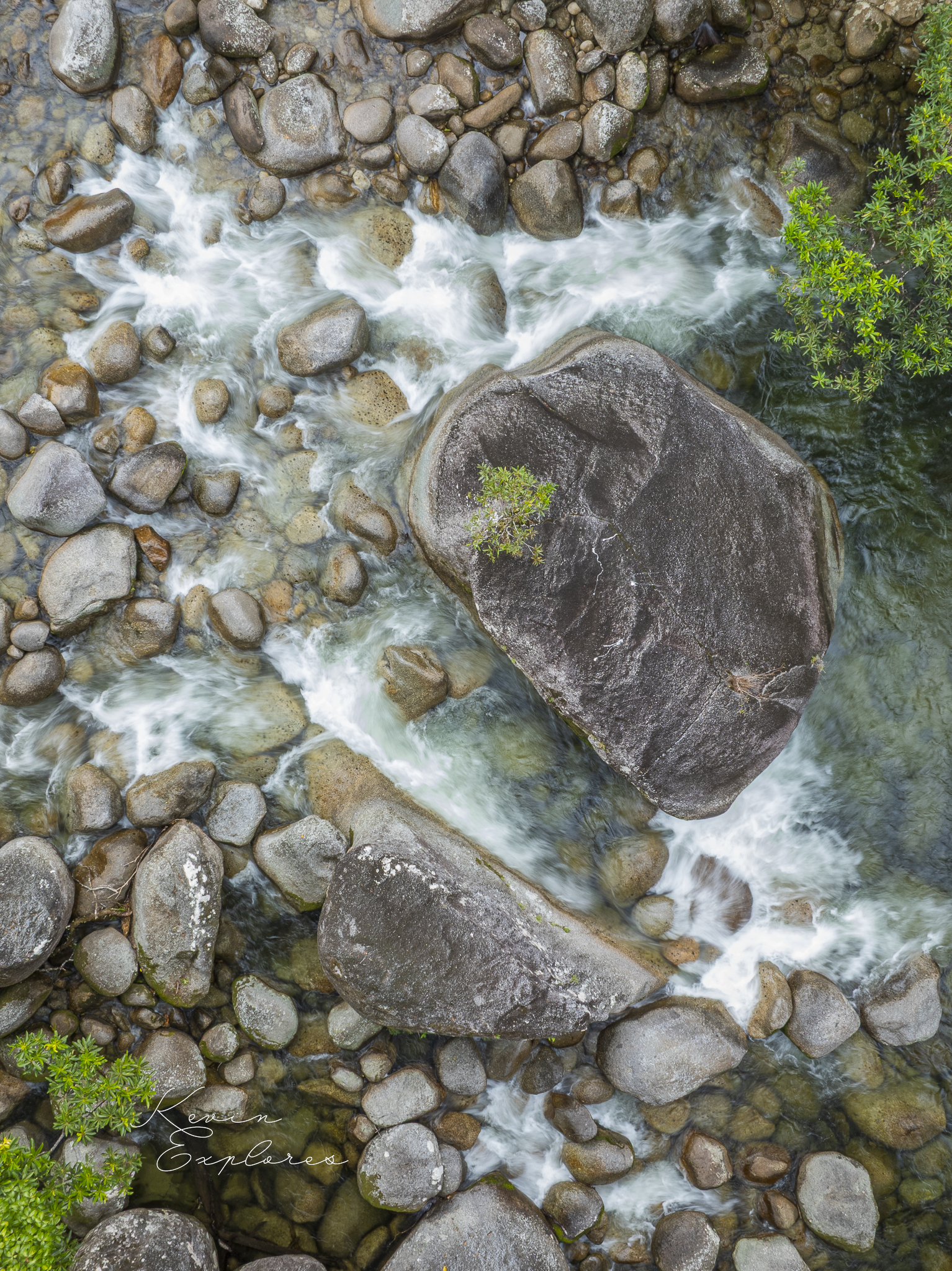
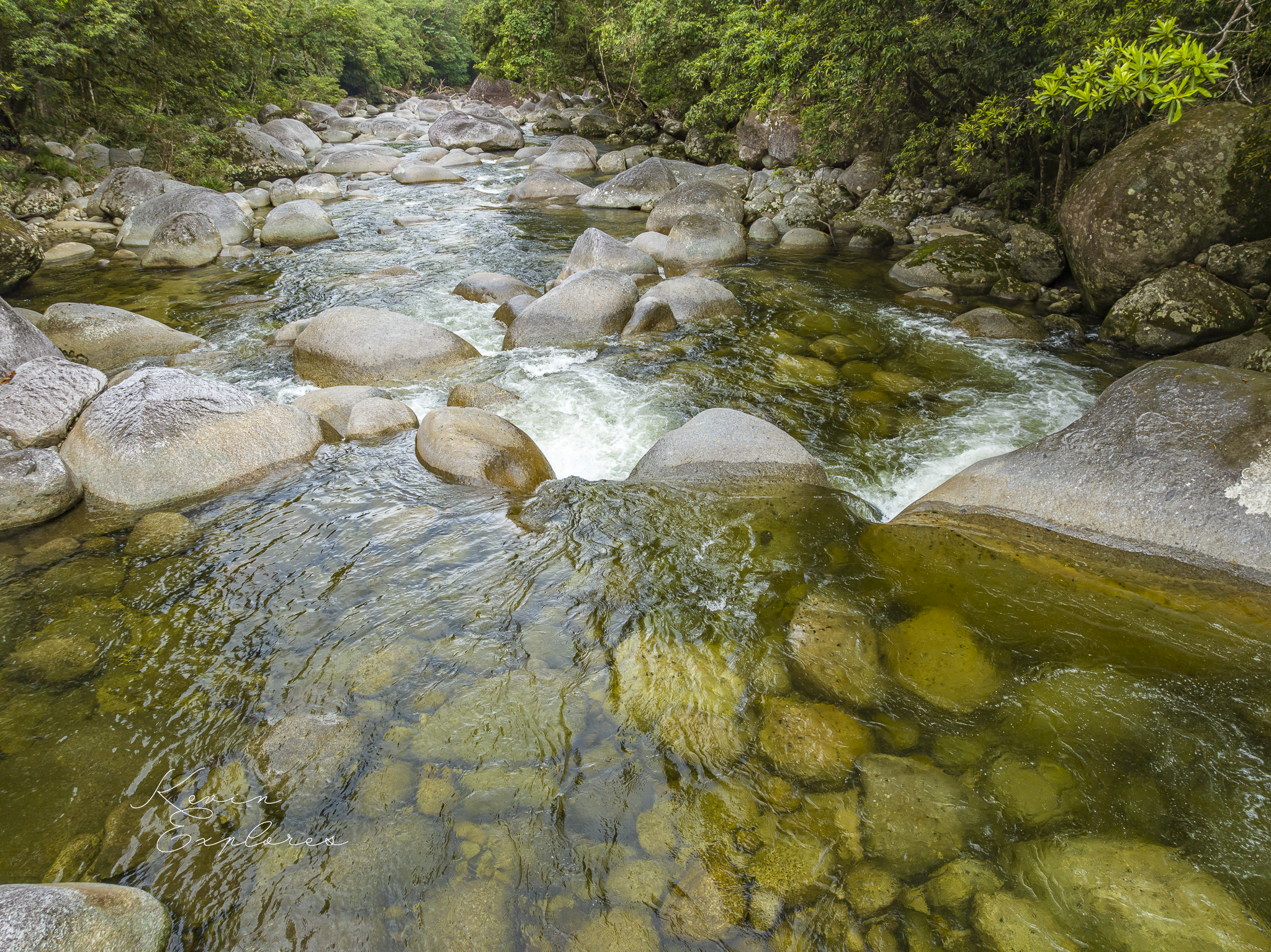
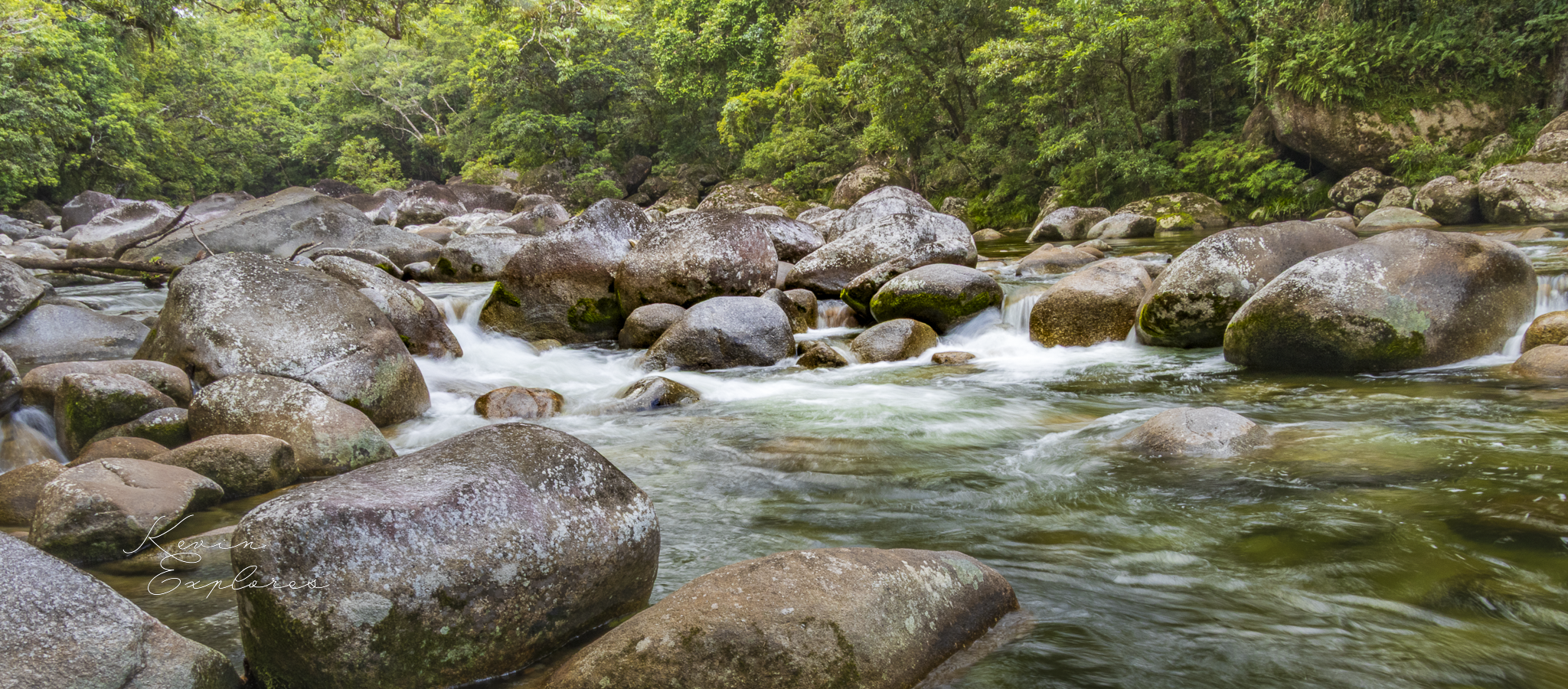
Look closer and the granite has its own internal architecture. A mapped structural lineament — a zone of old crustal weakness — runs through the pluton close to where the Mossman River breaches the range, and it's likely no coincidence the gorge sits almost exactly there. At a different scale again, the granite is threaded with joints, and every boulder in the riverbed owes its shape to them. Long before this river existed, groundwater worked along those joints, chemically rotting the rock in concentric shells and leaving rounded, harder cores behind — corestones, in the same family as the famous boulder-covered mountains near Cooktown. Only much later did the river arrive, strip away the decayed rock around them, and shift, tumble and polish what was left. What you're looking at in these pools and rapids isn't rock the river carved from scratch. It's rock the river inherited, then finished.
Up close, the boulders tell you what kind of granite this is: coarse, muscovite-biotite, occasionally garnet-bearing, with a blocky feel from large early-formed crystals sitting in a finer matrix. And the water running over them is a clue in its own right — granite breaks down into coarse quartz sand rather than fine clay or tannin-stained organics, which is a large part of why this river runs gin-clear rather than the tea-brown you'd see over sandstone or wetland country elsewhere on the Cape.
Mossman Gorge sits on Kuku Yalanji Country, home to a connection spanning tens of thousands of years. Today that connection is shared with visitors through the Ngadiku Dreamtime Walk, run by Kuku Yalanji guides through the Mossman Gorge Cultural Centre — Ngadiku meaning "stories and legends from a long time ago" in the Kuku Yalanji language. The walk began with the vision of Kuku Yalanji Elder Roy Gibson in the 1980s and has run for forty years since, a living program of bush medicine knowledge, seasonal lore and cultural connection to Country that no geological reading of this place can substitute for. The stories belong to the Kuku Yalanji, and are best heard from them, on their own Country, rather than retold secondhand here.
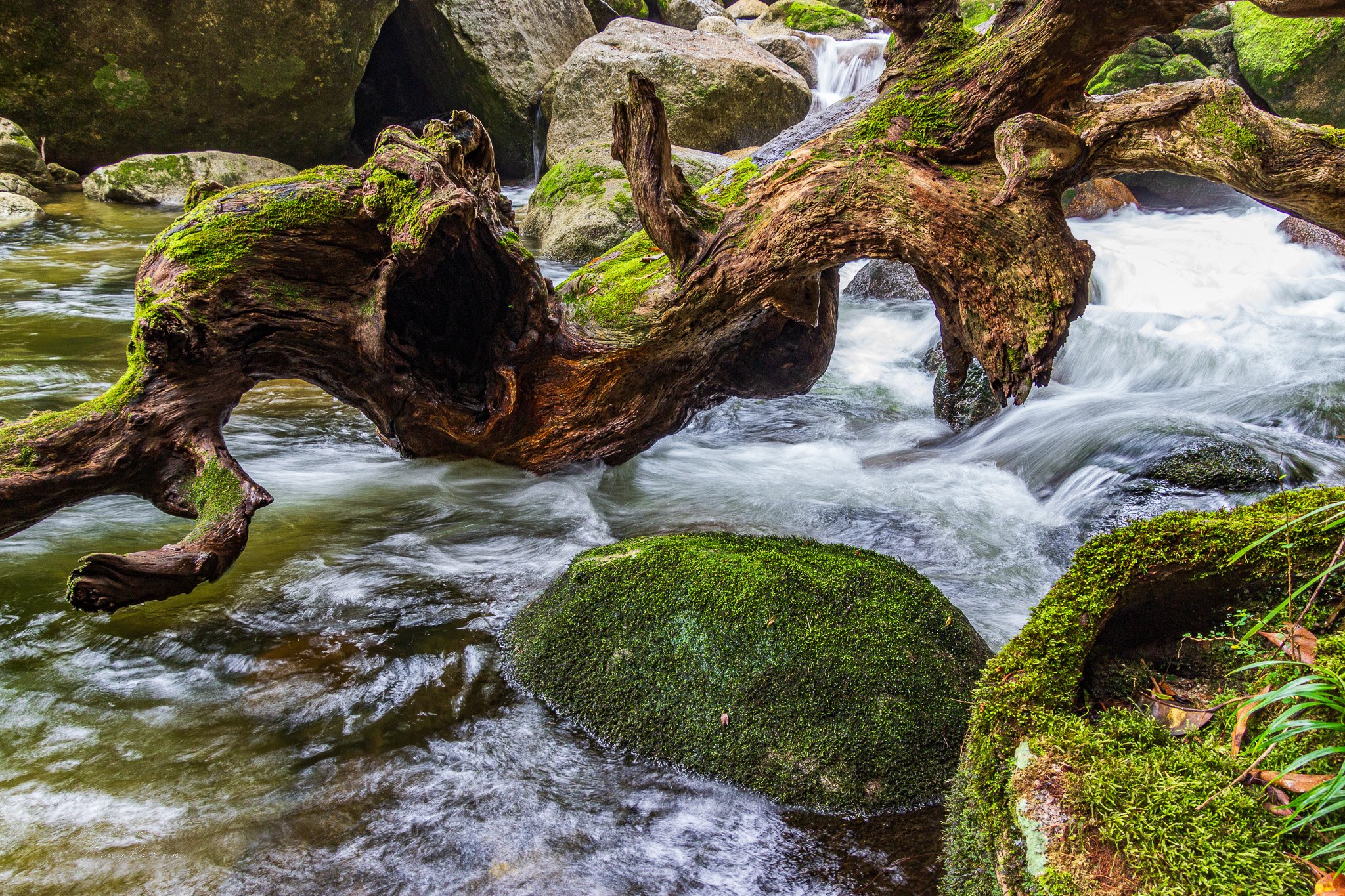
Even the dead wood in this river is doing geomorphology. Logs jam against the largest, most immovable boulders in the channel — the ones too big for the current to shift — quietly marking out which blocks are corestones anchoring the streambed, and which are just passing through.