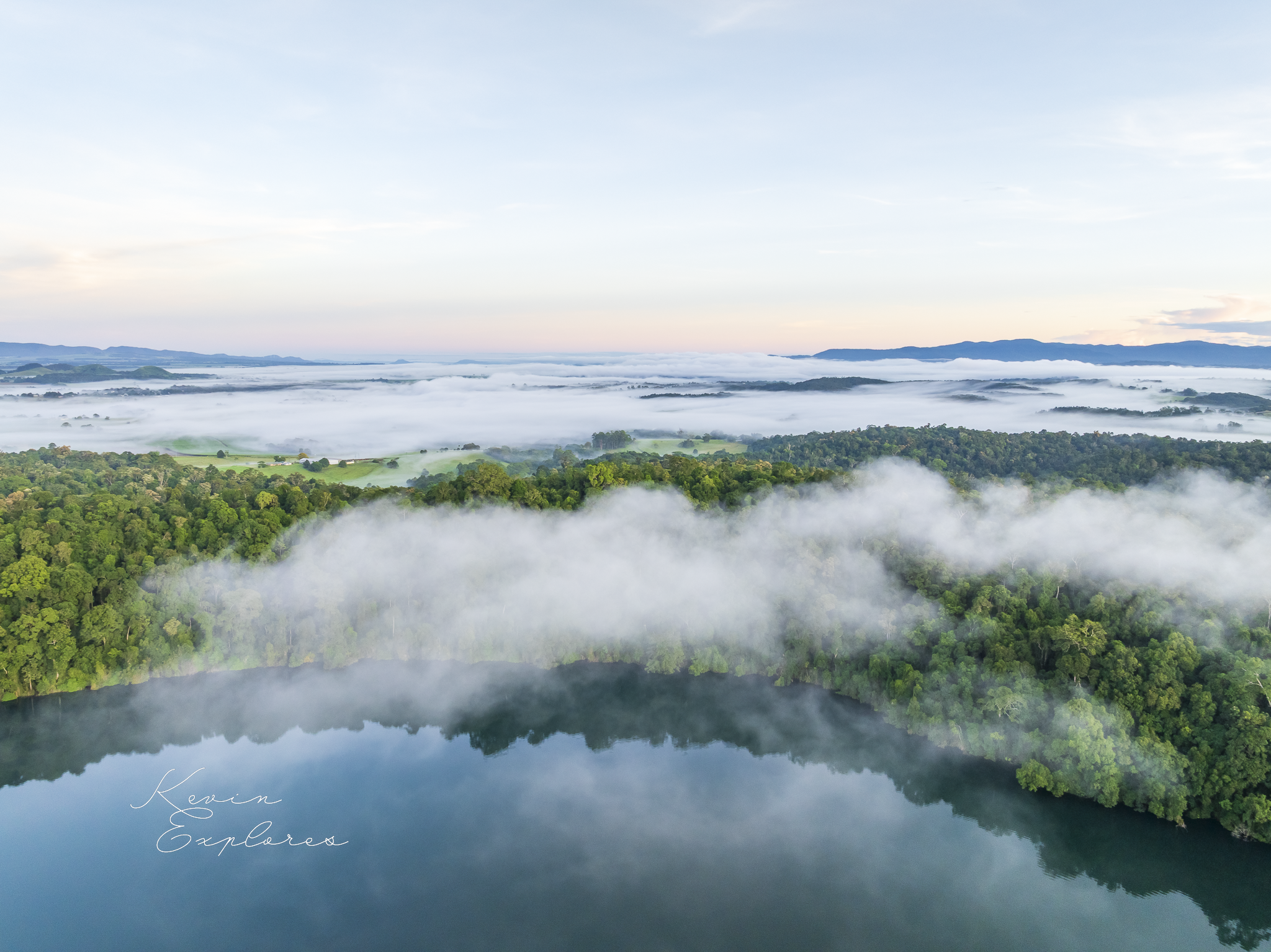
Lake Eacham, Atherton Tablelands
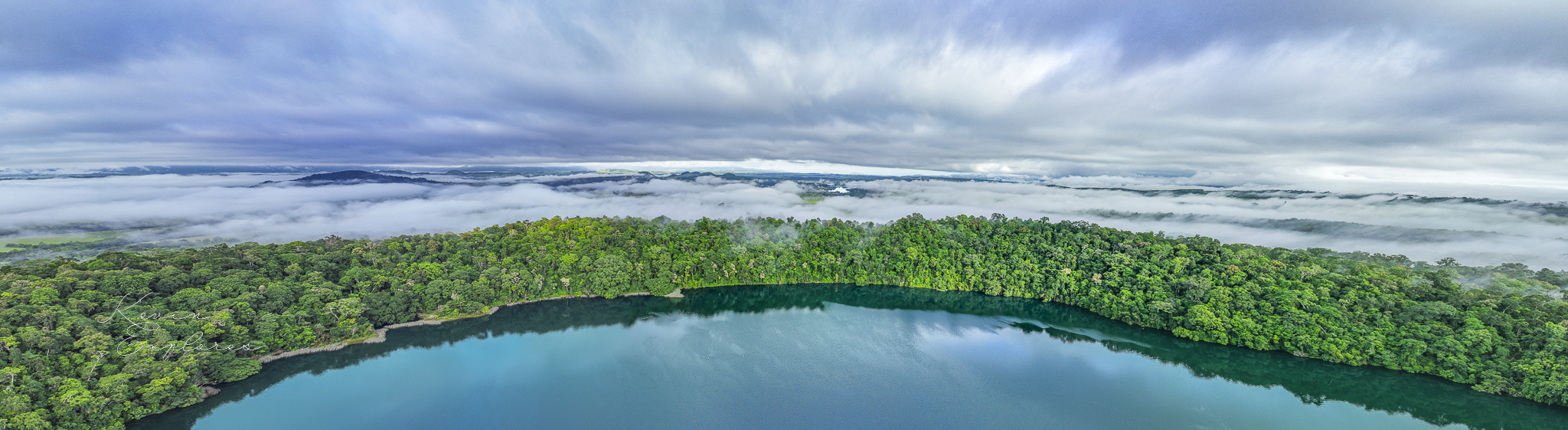
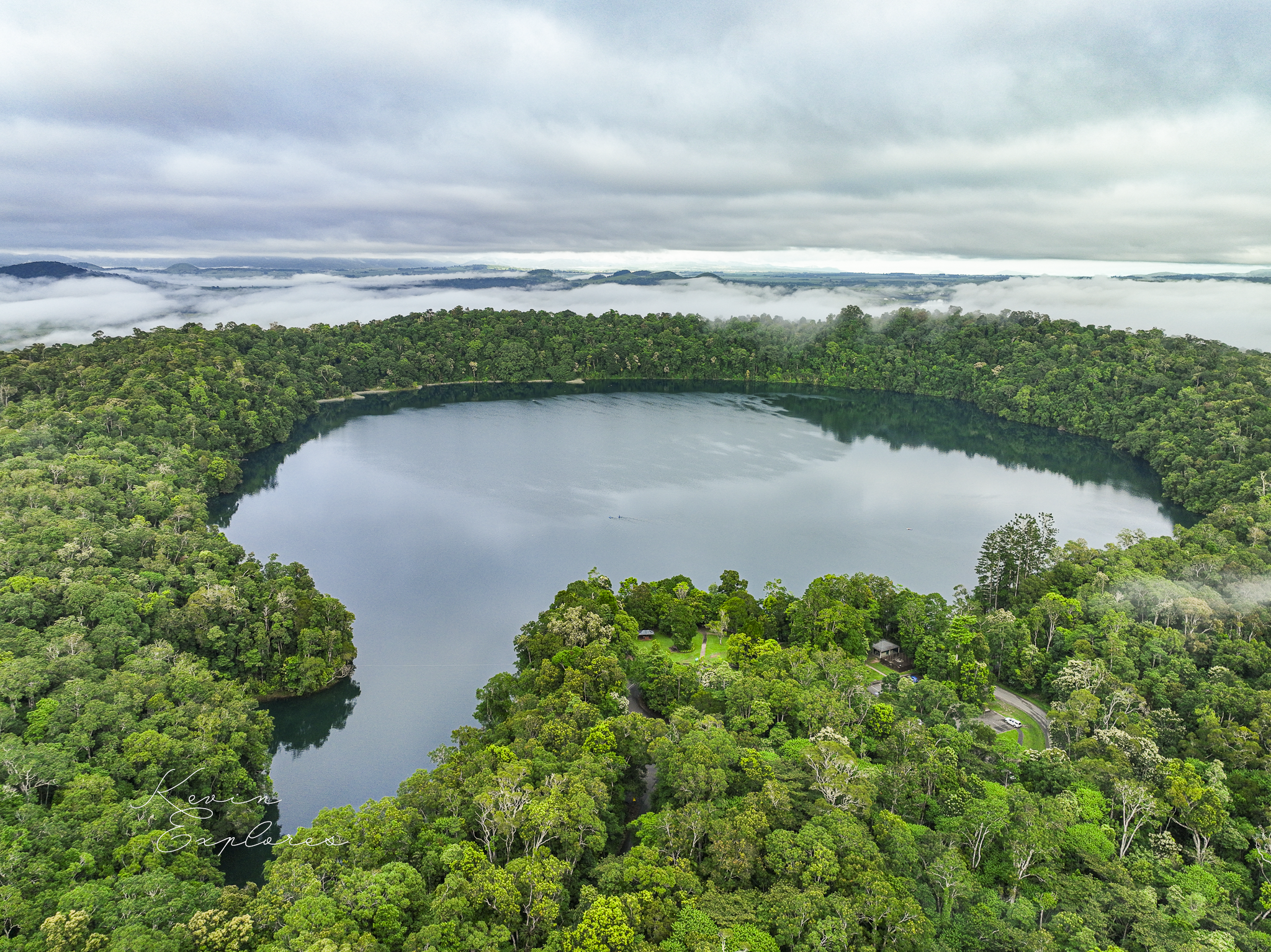
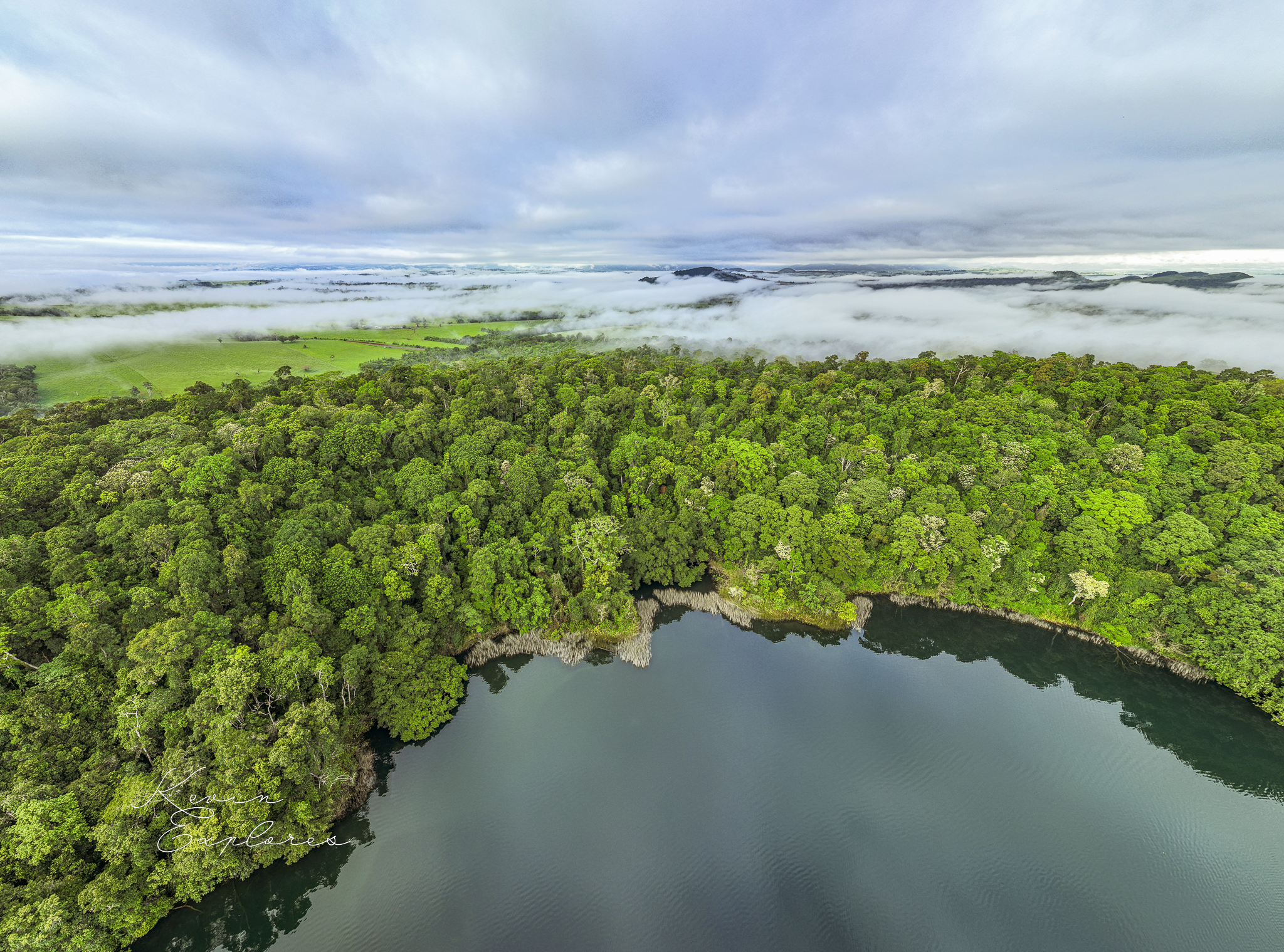
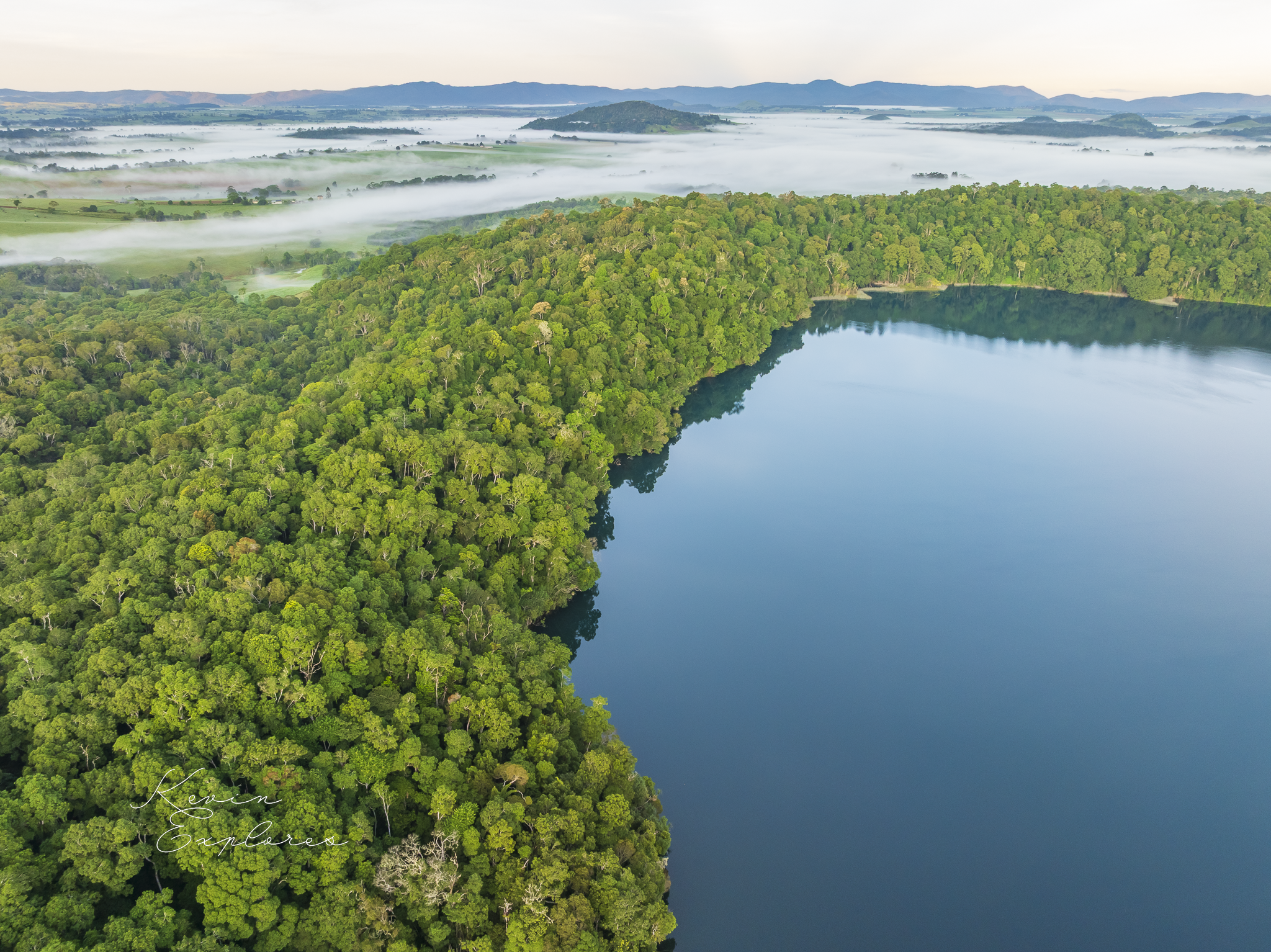
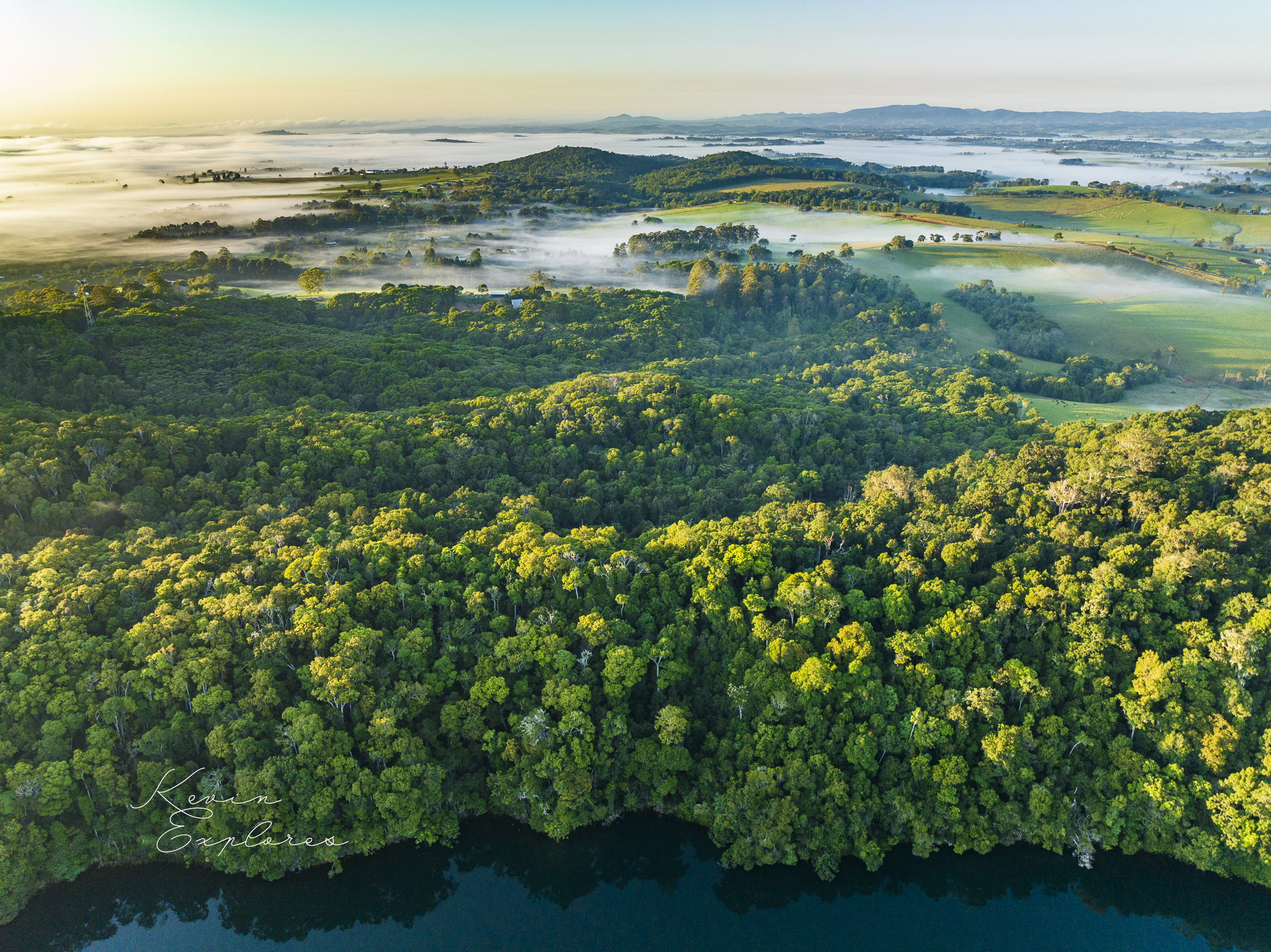
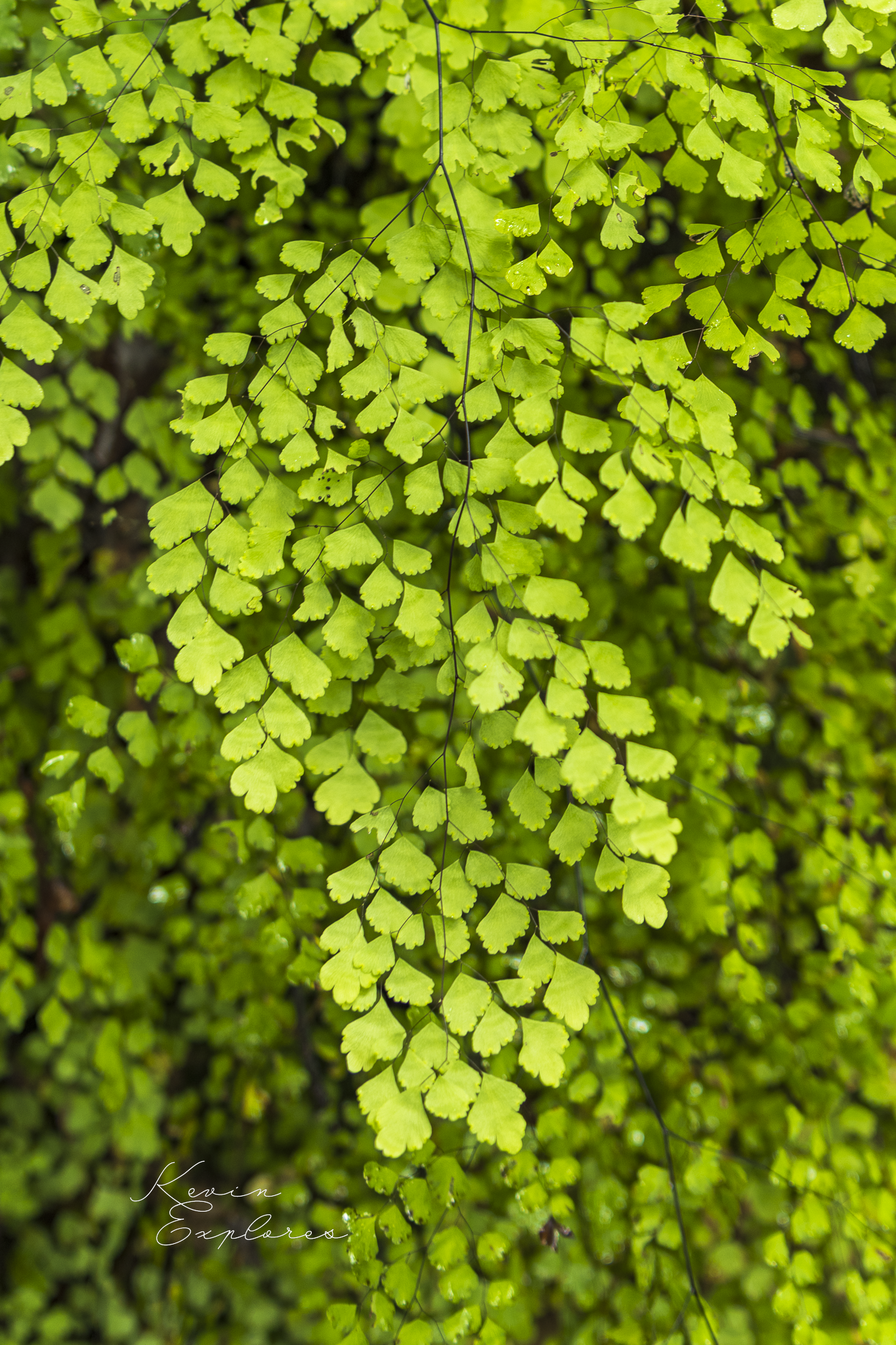
Stand at the shore of Lake Eacham and the first thing country tells you is a lie. Not on purpose — the lie is just what stillness does. The water sits glass-flat inside a bowl of rainforest so complete it feels like it has always been there: fig roots gripping the bank, fern trees leaning into their own reflection, the kind of hush that reads as old. Ancient, even.
It isn't.
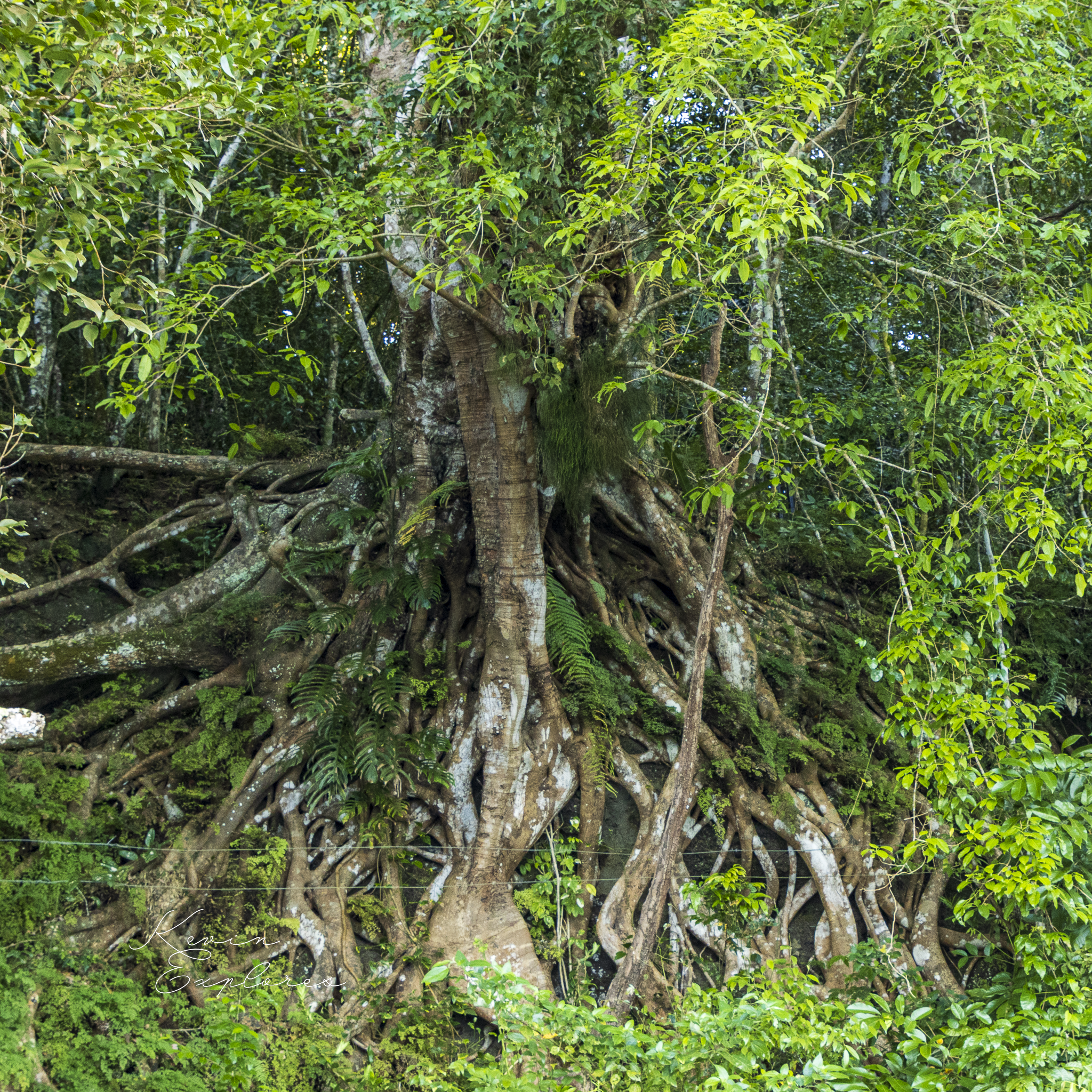
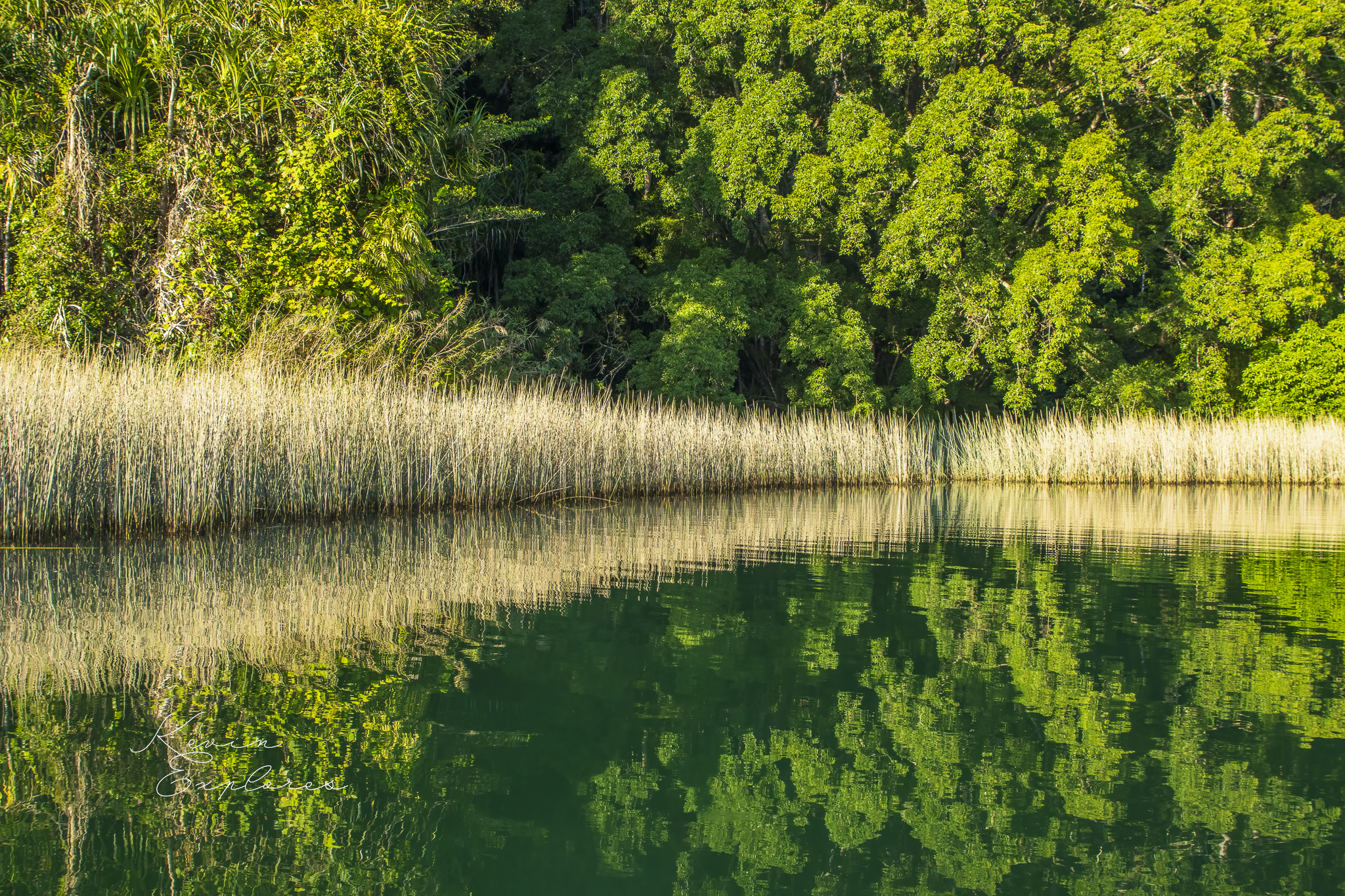
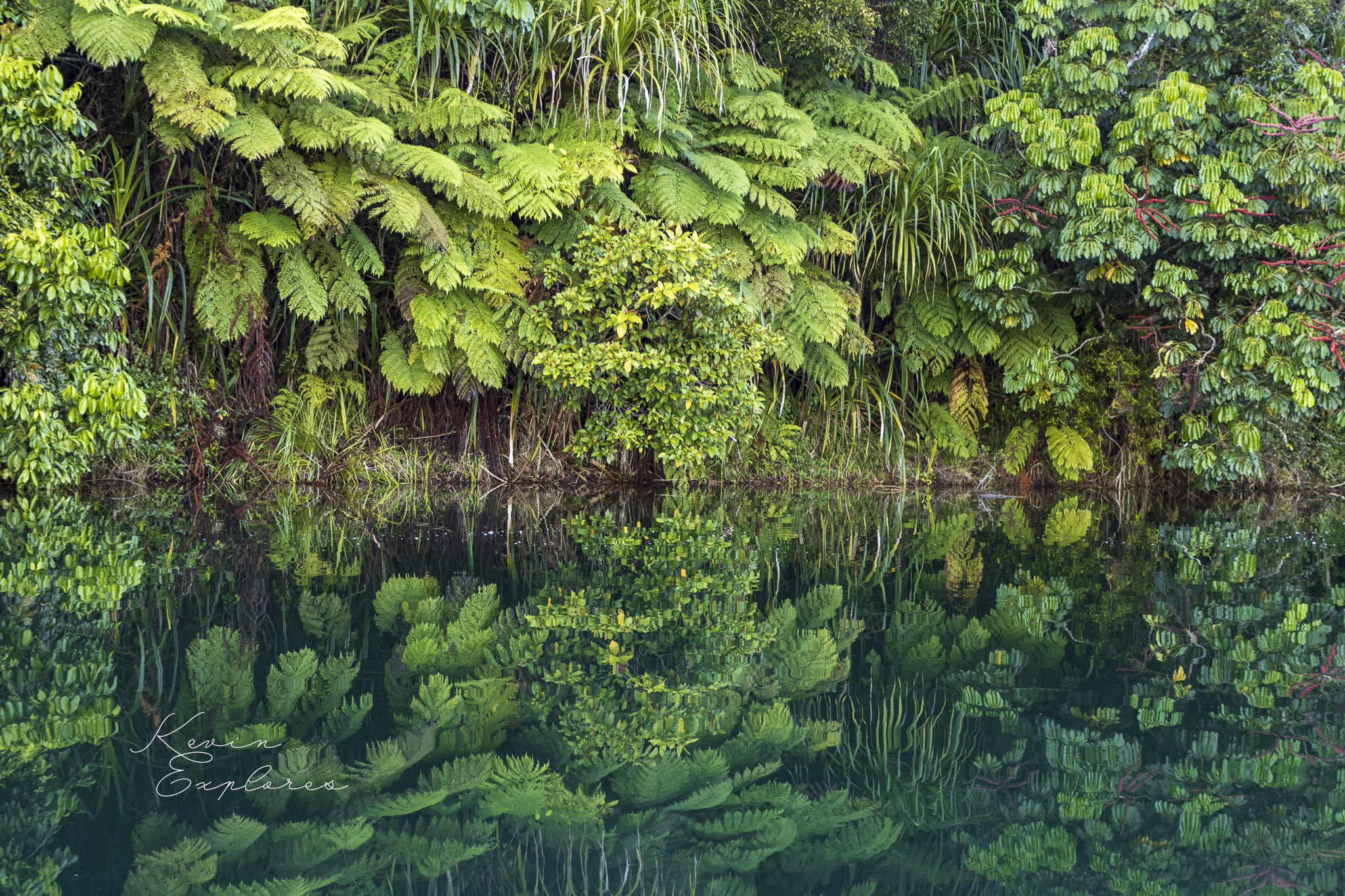
Everywhere you look here, two things are touching without conflict — water and root, canopy and its double in the surface below. That's not incidental scenery. It's the seam: the line where a young, violent event has been quietly stitched over by everything that's grown since. You're standing on the healed-over edge of something, and the healing is so complete it hides the wound entirely.
Here's the wound.
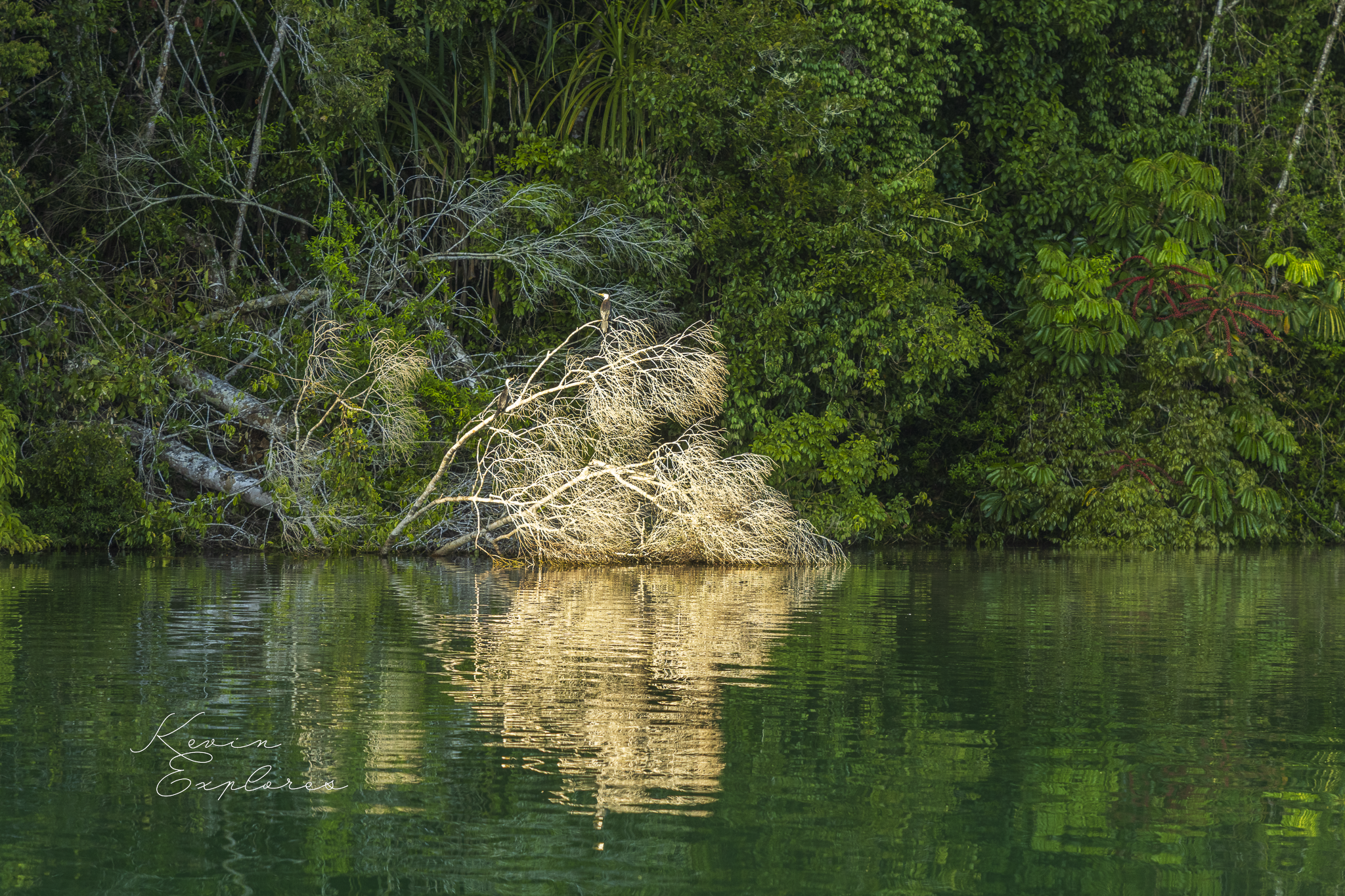
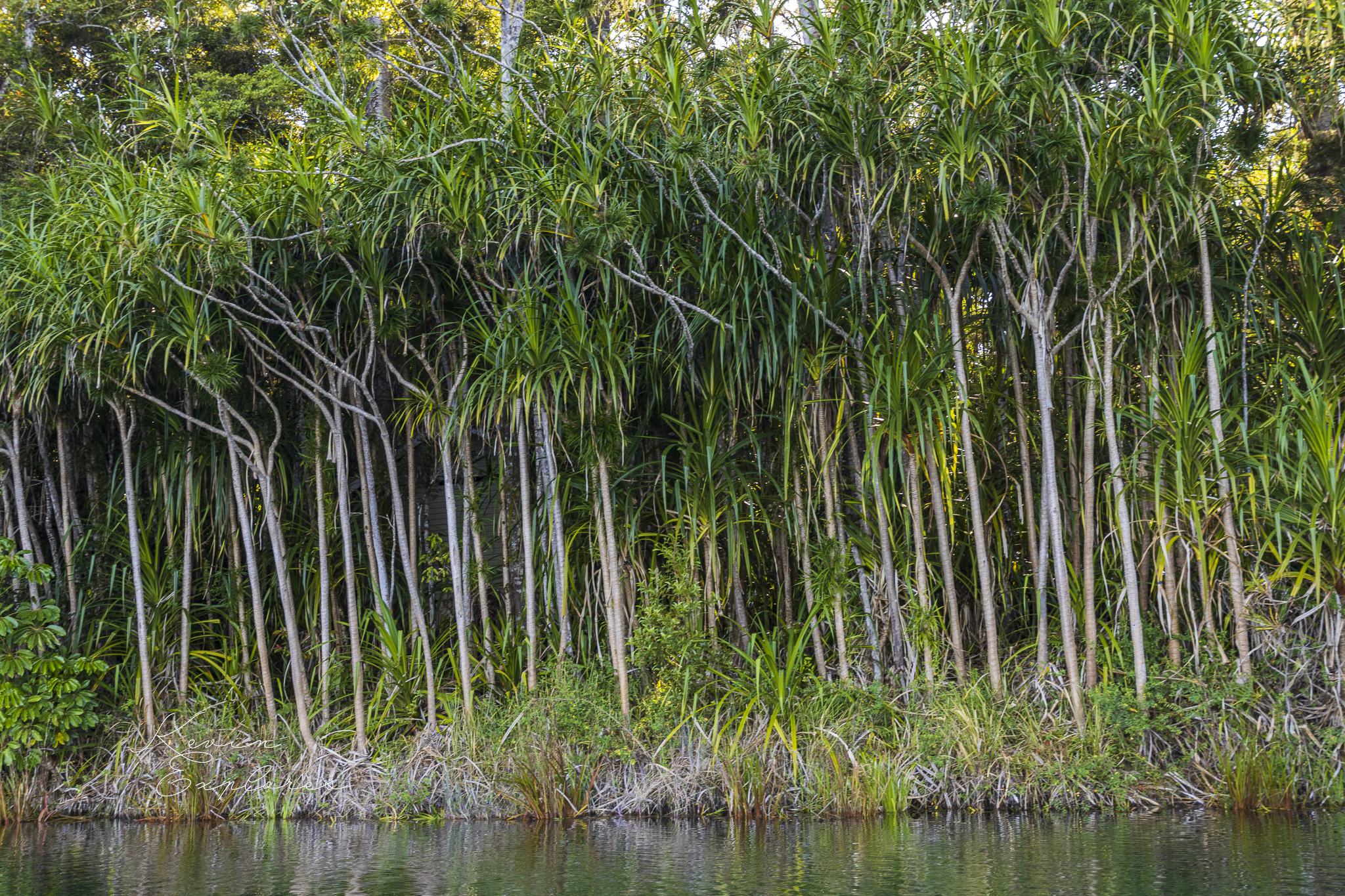
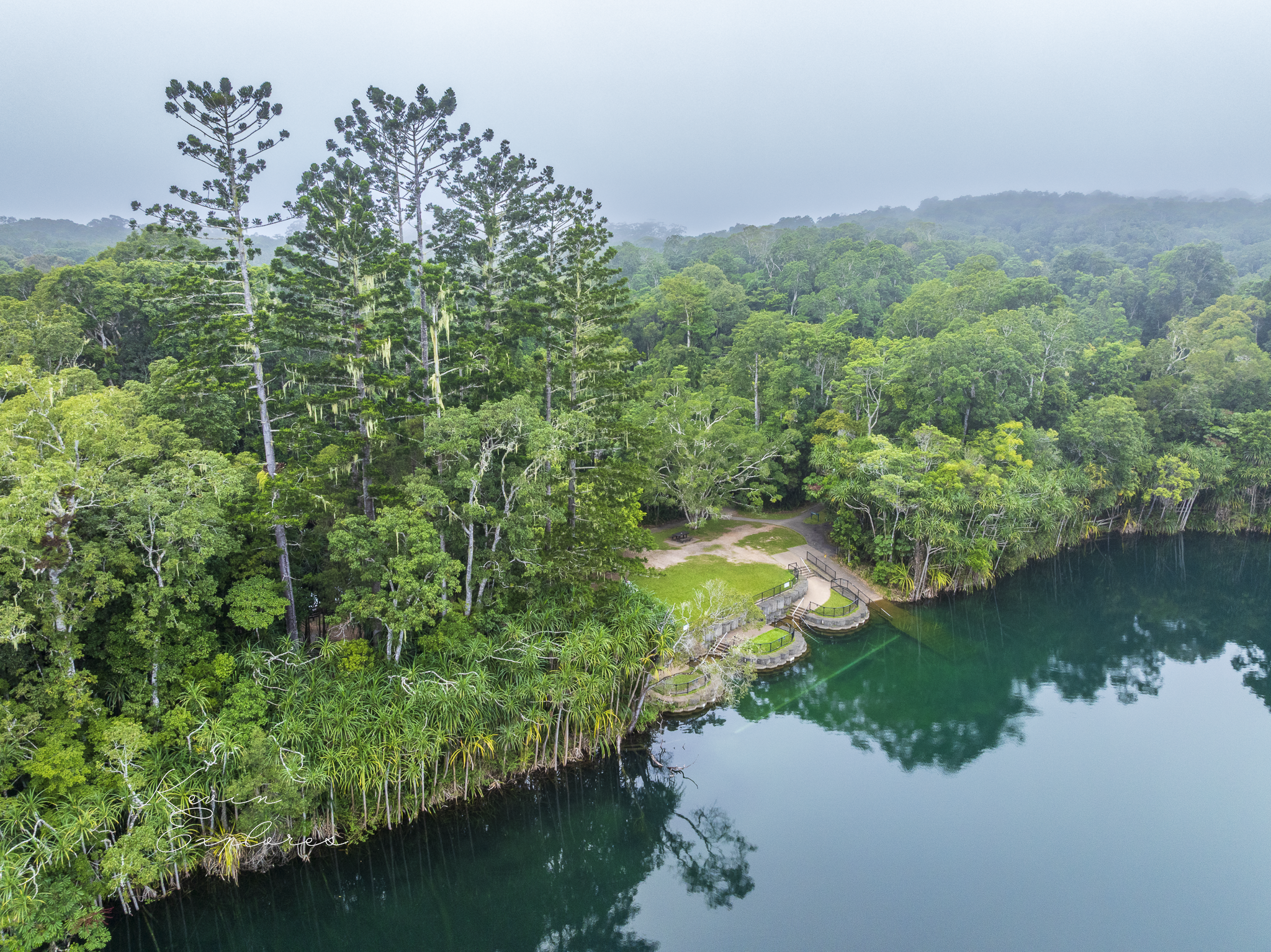
Lake Eacham is a maar — a crater blasted out, not built up. Somewhere beneath the tableland, rising basalt magma met groundwater, and the water flashed to steam fast enough to tear the ground open from below (Whitehead et al. 2007).
Even the explosion wasn't one event.
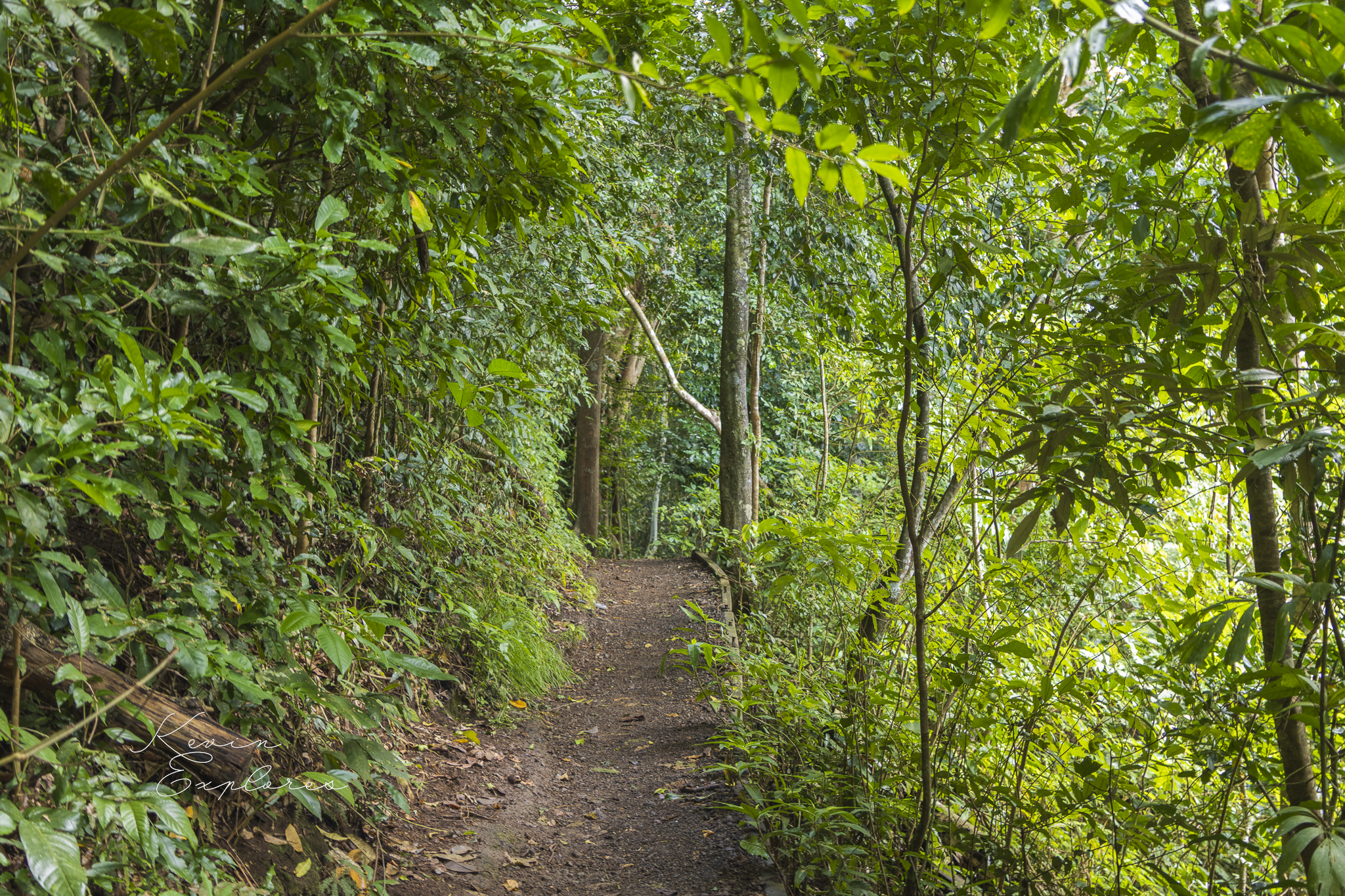
It's tempting to picture a single, cinematic blast — the ground splitting open once, dramatically, and then filling with water. The evidence on the ground says otherwise. Where the Lake Eacham circuit track cuts into the crater's interior slopes, it exposes layered tuff — bands of ash and pebbles up to 3 cm across, stacked one on top of the next (Willmott). Each layer is its own explosion. Maar-forming eruptions are self-limiting moment to moment: magma meets water, the water flashes to steam and blasts the surrounding rock and water clear, the water seeps back in from the aquifer, and it happens again — sometimes dozens or hundreds of times over hours, days, even weeks. The best-documented real-world example, the 1977 Ukinrek eruption in Alaska, took about ten days to form two craters this way, growing partly through blast and partly through the crater walls simply caving in between explosions.
Lake Eacham doesn't have its own detailed record of exactly how many pulses, or how long it took. What the layering tells us for certain is that it wasn't one moment — it was a fast, repeated argument between rock and water, and the water eventually won.
Someone may have watched it happen.
The Ngadjon people, traditional owners of this country, carry a story — told to linguist R.M.W. Dixon in 1964, and published in his 1972 book The Dyirbal Language of North Queensland — that explains the origin of Lake Eacham together with its neighbours, Lake Barrine and Lake Euramoo. In it, two newly initiated men break a taboo and anger the rainbow serpent. What follows reads, on the page, like an eyewitness account of a maar erupting: the ground roaring like thunder, a wind arriving "as if a cyclone were coming," the earth twisting and cracking, a red cloud never seen before hanging in the sky, and finally the ground itself opening and swallowing the camp.
What else is this country yet to reveal?