A Catchment Story: The River Mareeba Crosses But Rarely Sees
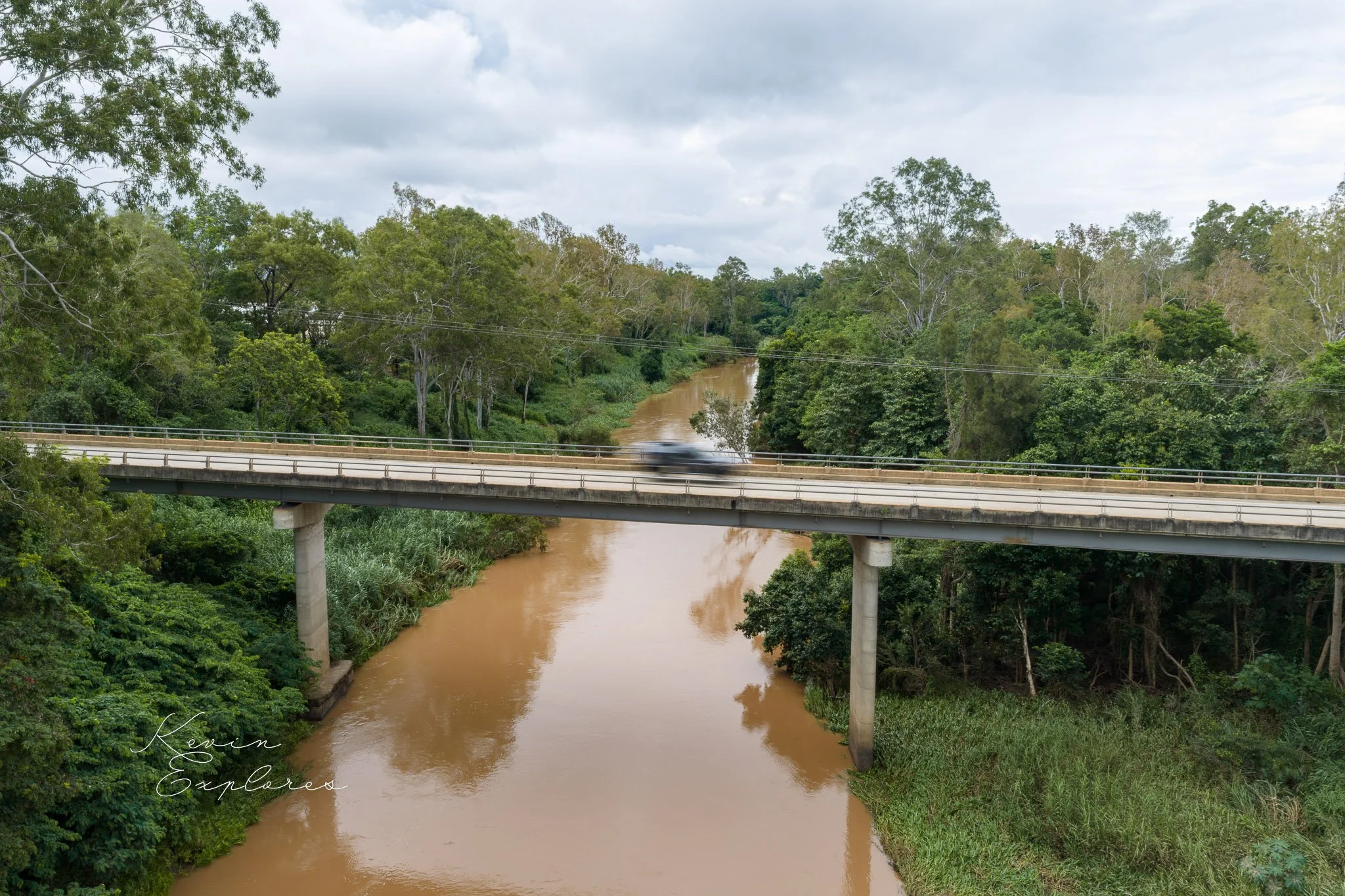
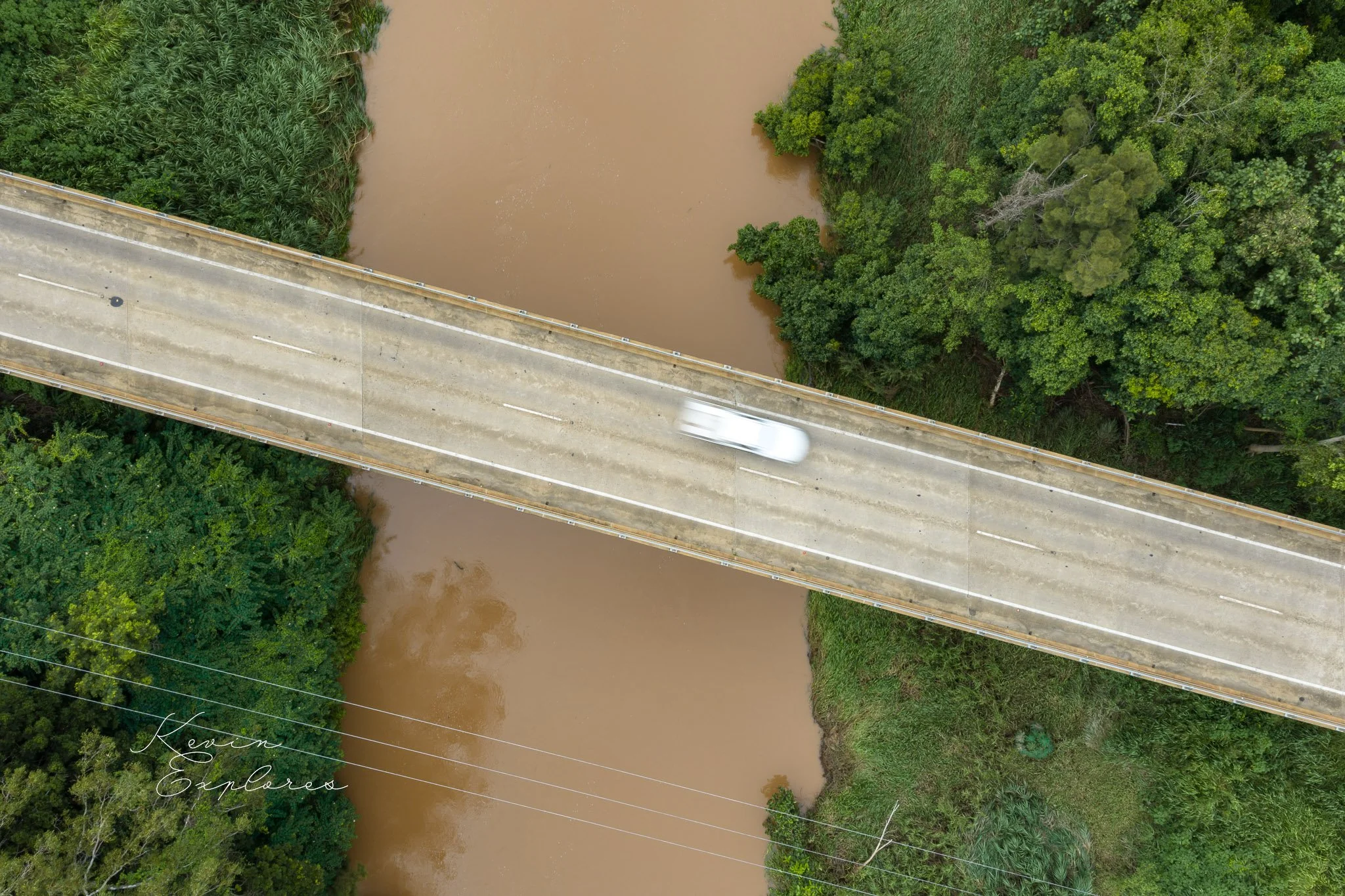
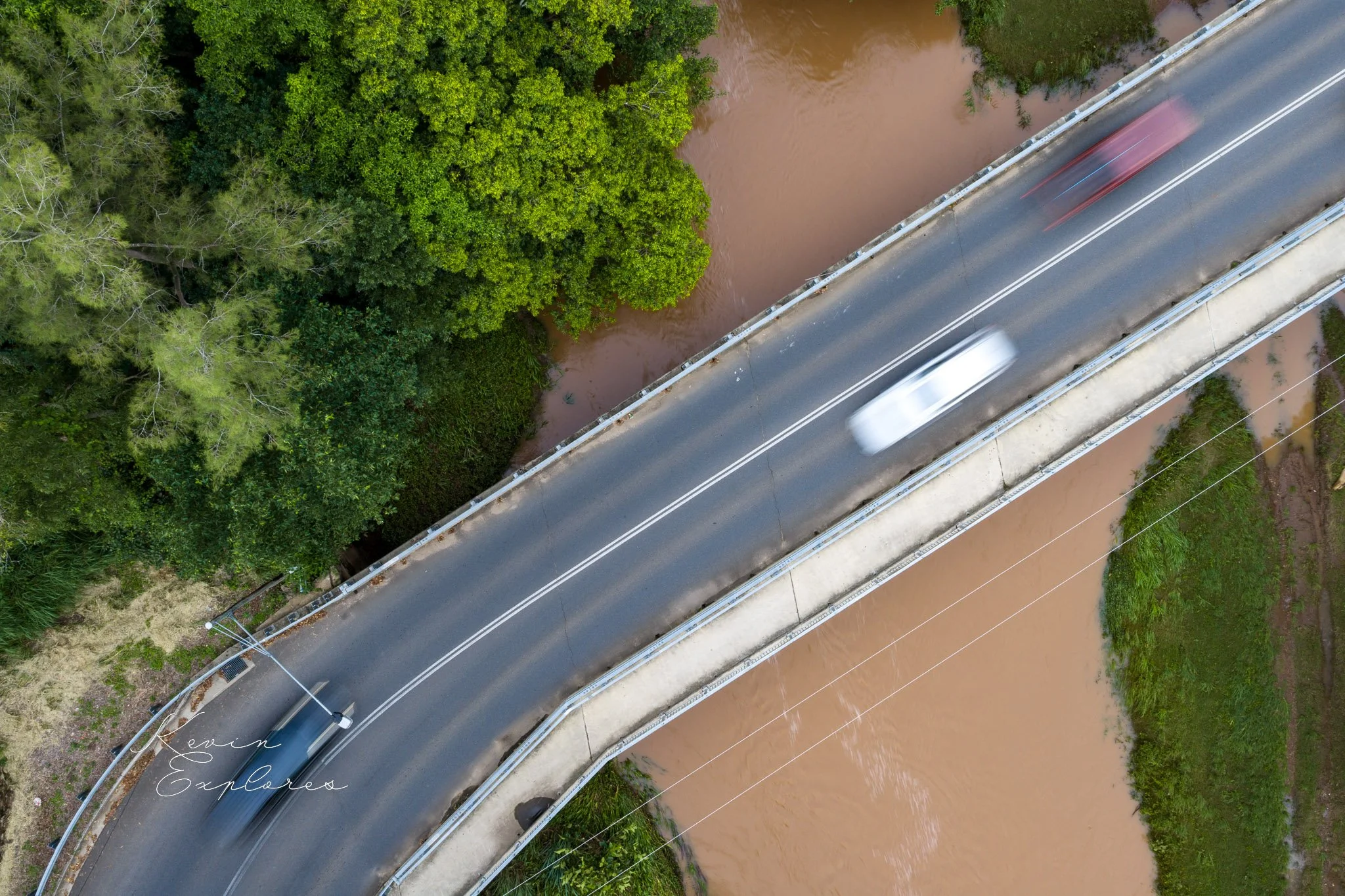
Every day, vehicles cross the Barron River on Mareeba's Kennedy Highway bridge or via Anzac Avenue. A fleeting glimpse of water, trees, then it's gone.
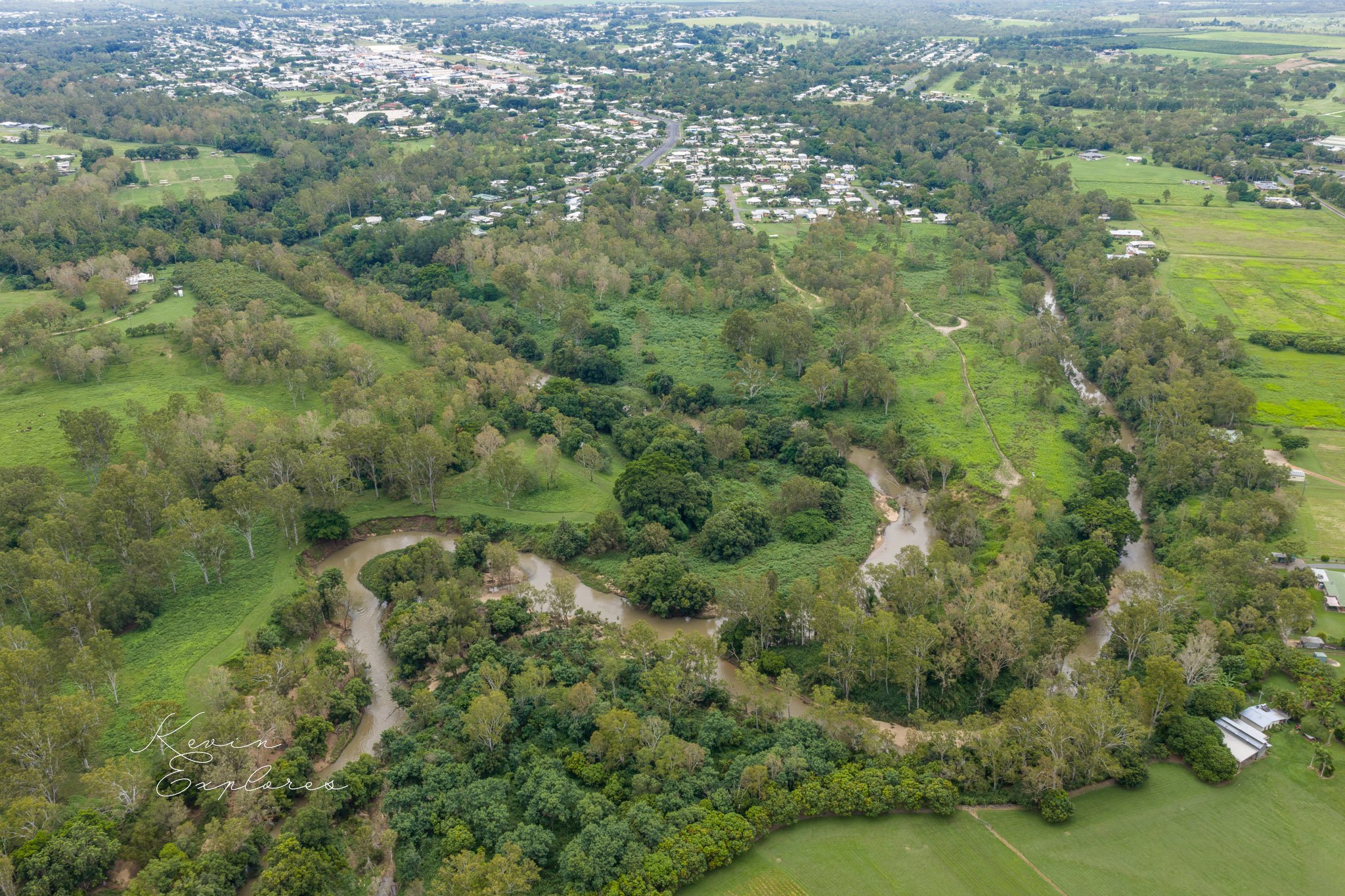
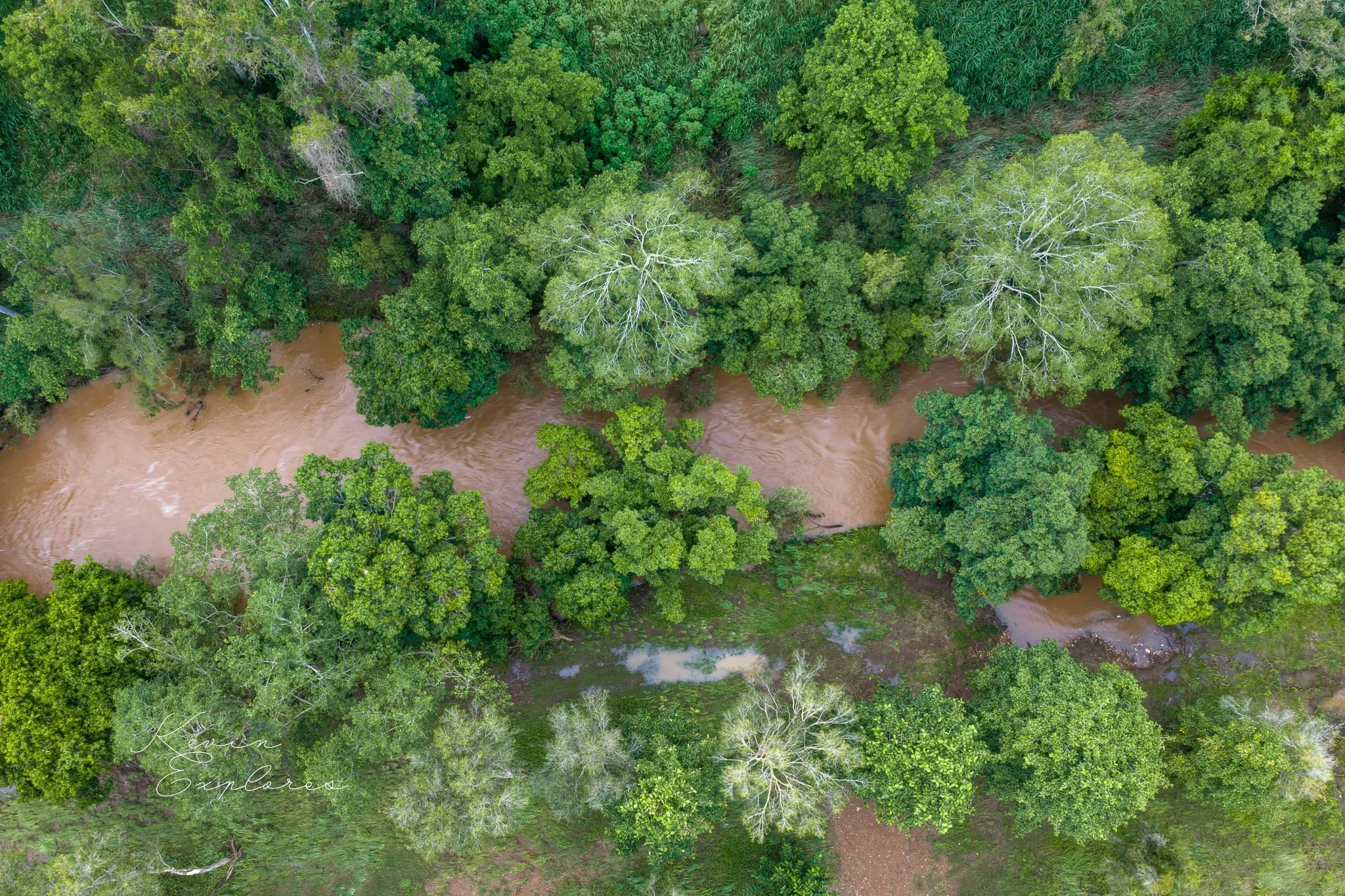
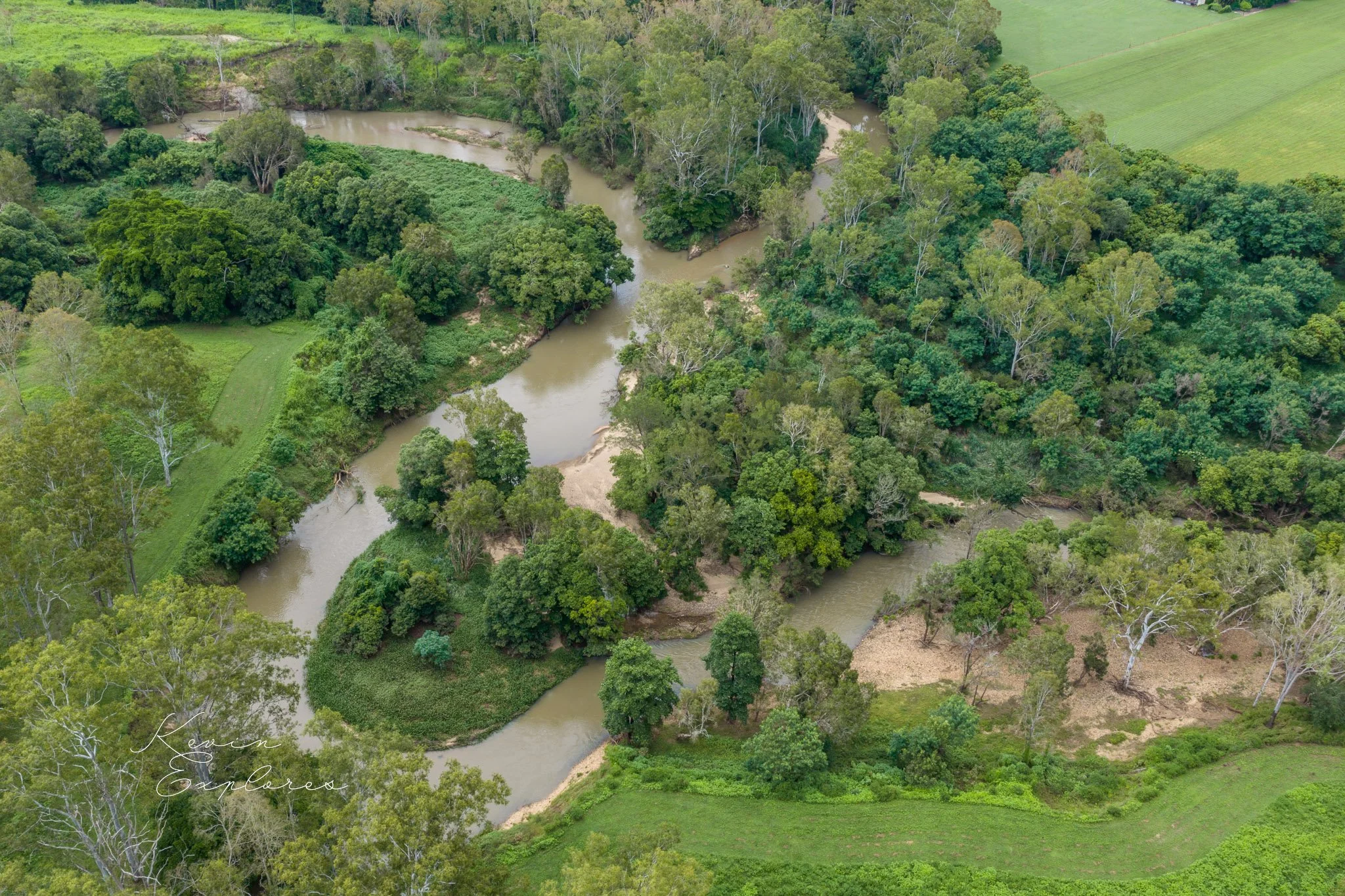
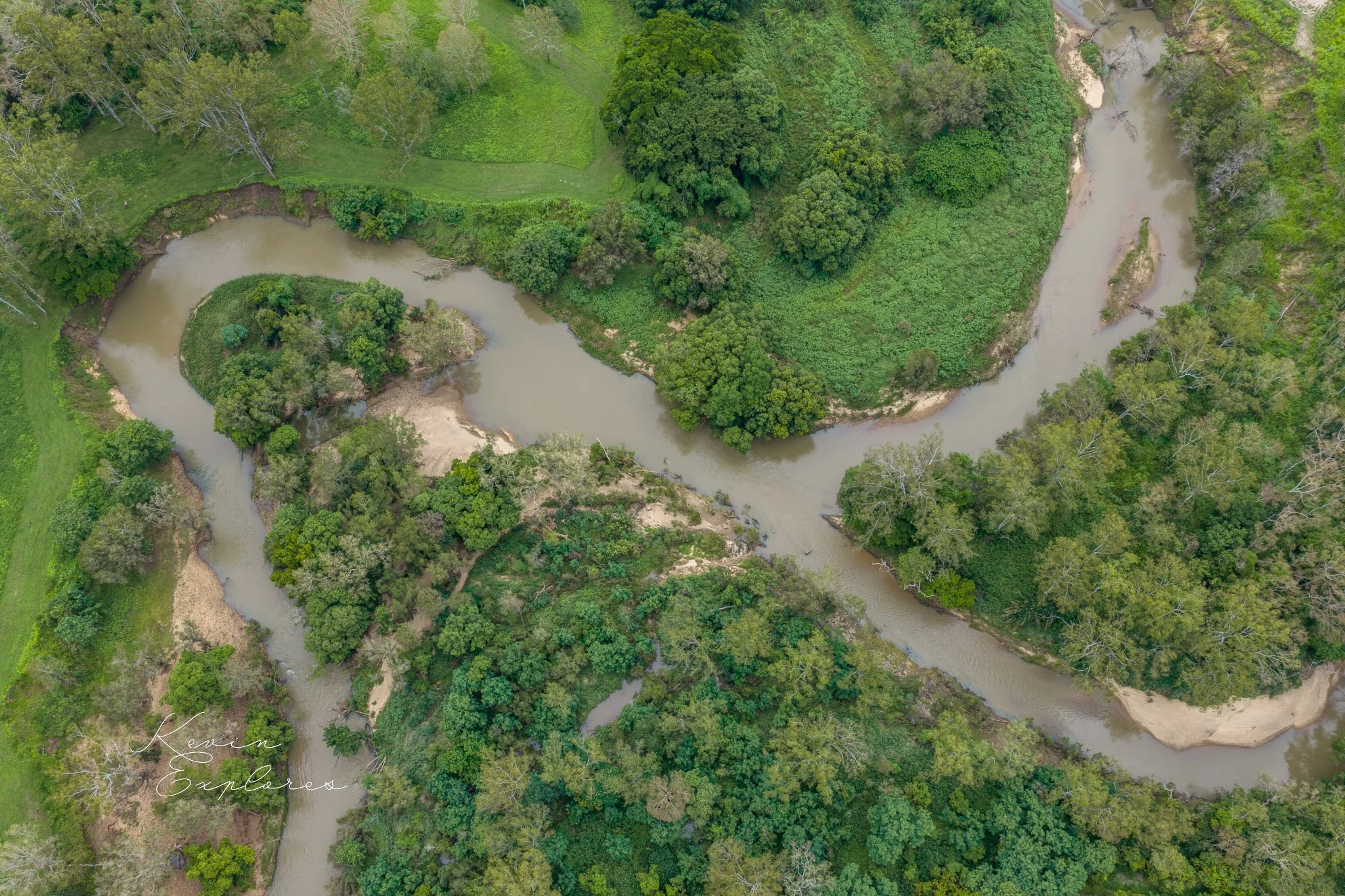
But from above, a different story emerges. The aerial view reveals a riparian corridor threading through the heart of town. Those trees resolve into a diverse canopy – mature figs, eucalypts and paperbarks creating a continuous wildlife corridor.
From this perspective, you can see what the bridge crossing hides.
The story, however, started much earlier.
Mareeba means "meeting of the waters" – the Barron River and Granite Creek joining forces to continue their descent toward the coast.
For thousands of years, this confluence made strategic sense. Rivers as highways, meeting points, resource zones. The Djabugay and Muluridji peoples understood this landscape through the lens of connection – how water links places, carries information, creates corridors through country.
European settlement recognised the same logic, different language. Cobb & Co coach stop, railway station, supply hub. The river became "resource" rather than "relationship," but the geographic truth remained: this is where things meet.
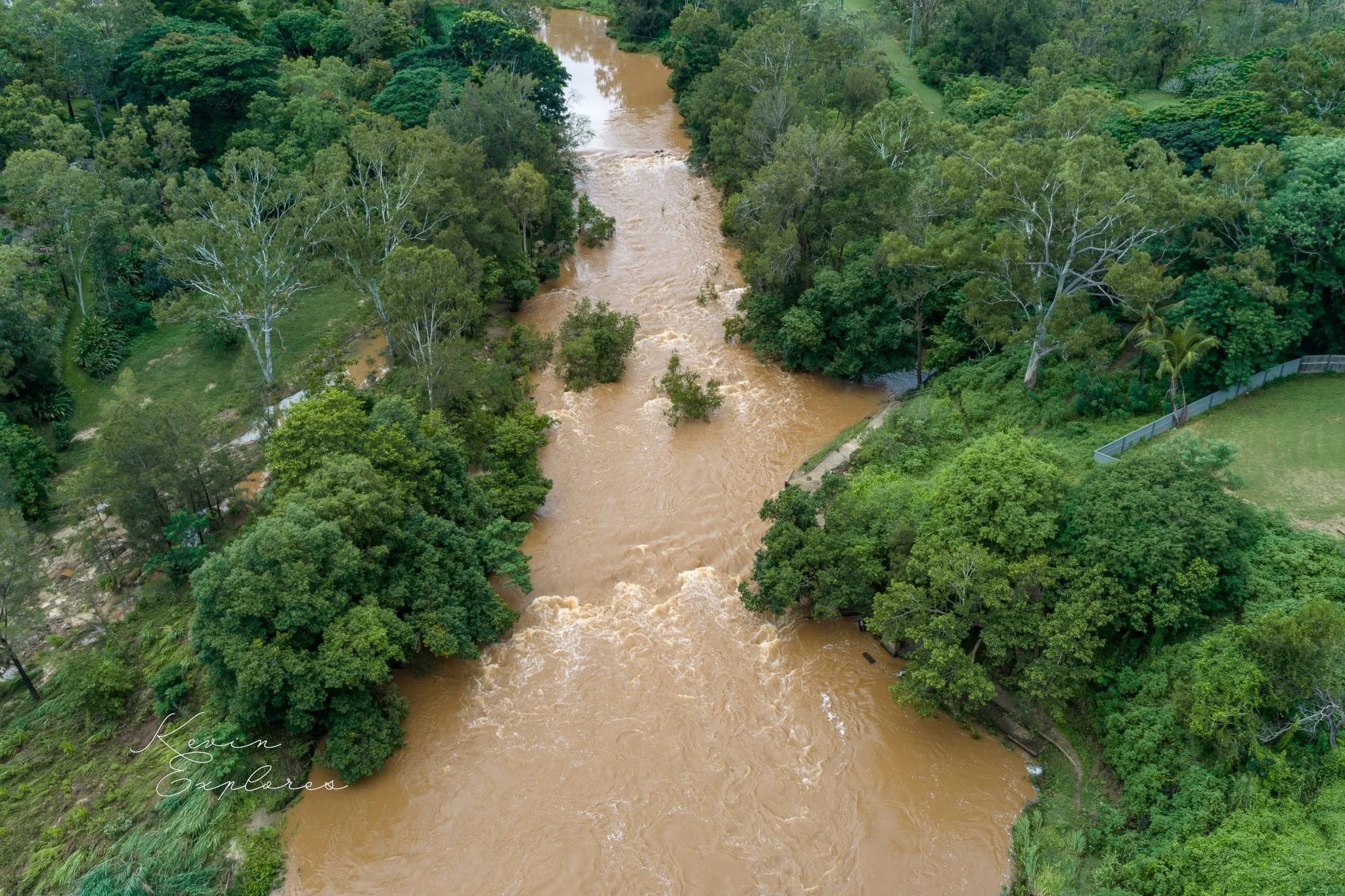
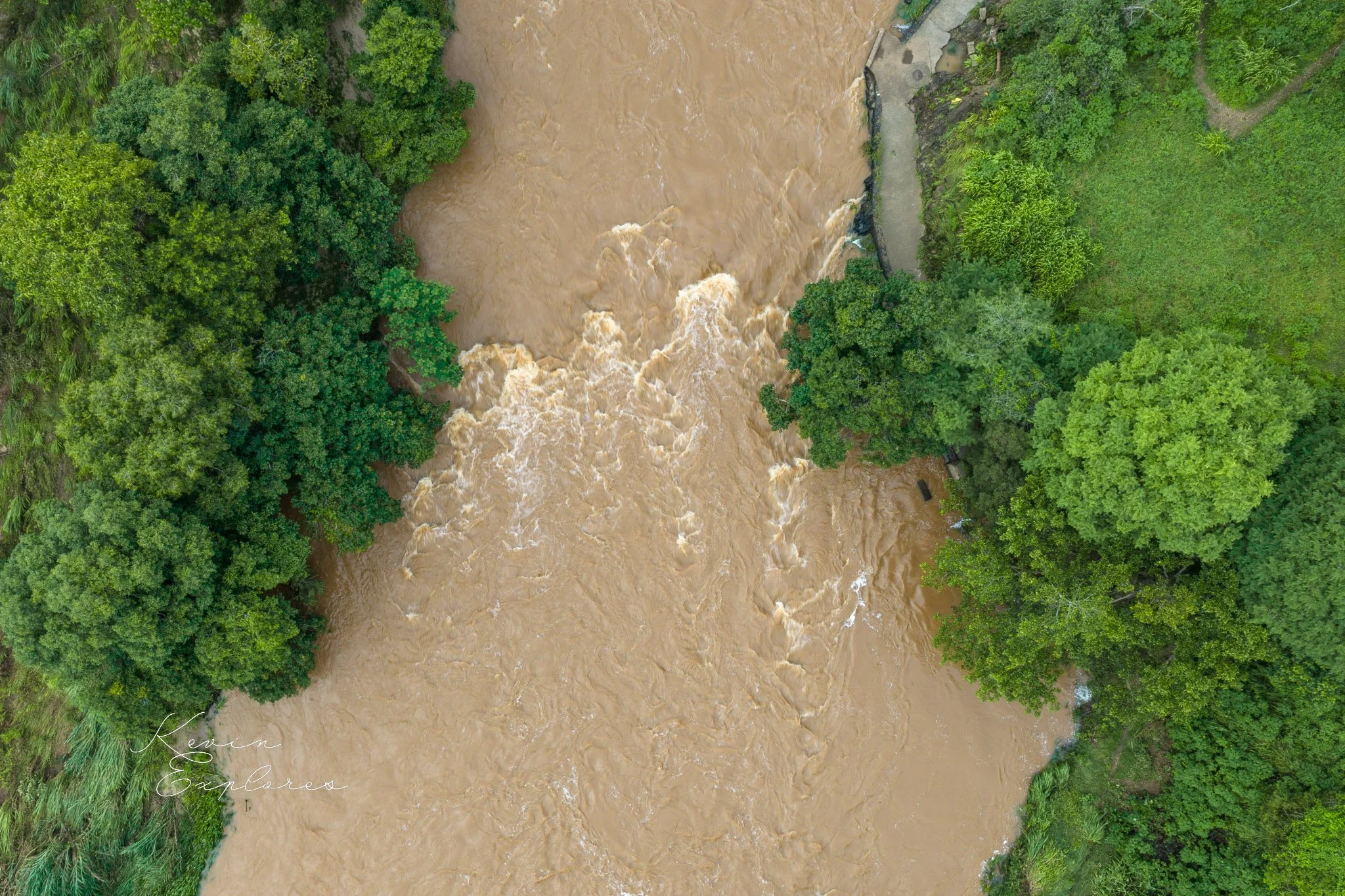
During the wet, this corridor tells upstream stories. Every particle of sediment suspended in that brown water has traveled from the tablelands. The changing colour and swirling patterns signal where it's been raining, what land it's crossed, the journey from volcanic soils through granite country and ultimately to the reef.
The Esplanade walking track threads along the western bank – usually a place for quiet walks, for locals who know how to find it. From the air, you can see what they experience: the scale of the canopy overhead, the swimming holes at river bends, the peaceful separation from urban noise just meters away.
This is also the town's water supply corridor, though few think of it that way anymore. Since Tinaroo Dam was built in 1958, seasonal extremes have become steady flow, the river's role shifting from dramatic seasonal event to reliable resource. The wet season reminds us: this is still a dynamic system, still connected to everything upstream.
Mareeba is one of the few towns actually situated on the Barron River – not just near it, on it. The main stem flows right through town, creating opportunities most riverside communities would treasure.
The Esplanade represents our contemporary "meeting place" use – morning walkers, afternoon strollers, locals who've found the access points. It's quiet, understated, functioning as refuge, as connection to something not-urban right in the middle of urban.
Yet the question remains: what does "meeting place" mean for contemporary Mareeba? The confluence still functions geologically, ecologically, hydrologically. The corridor still offers space for human and non-human communities to intersect with water. But we've marginalised it, made it peripheral rather than central – not activated like town centres or sports fields, but present nonetheless.
Other regional towns position their rivers as identity-makers, gathering points, defining features. Mareeba is actually situated ON the Barron River – a rarity in the catchment – yet relatively few residents could tell you where to access it or what makes it significant.
The wet season creates visibility. The high flows, the dramatic colour, the reminder that this system connects to everywhere upstream and downstream.
Discover, or rediscover, your river. The meeting place is still there, still functioning, still waiting.
Cheers,
Kevin